
Preparation also reduces disruption for your household and allows us to focus immediately on containment, drying, and removal. Every action you take ahead of time strengthens the overall success of the project and gives us the ability to work efficiently while safeguarding your health and environment.
What Should I Do Before the Technicians Arrive?
Getting organized early makes a significant difference in how smoothly the mold remediation process begins. When we arrive, our team needs a clear workspace to start containment and inspection.
Homeowners often find it helpful to:
- Remove valuables from the treatment areas
- Clear surfaces such as countertops, tables, and nightstands
- Ensure pets are safely relocated
- Provide easy access to entrances and hallways
- Move vehicles from driveways so equipment can be brought in
These steps allow us to begin our work without delays. Mold spreads quickly, so the faster we start, the better we can protect your indoor air and belongings.
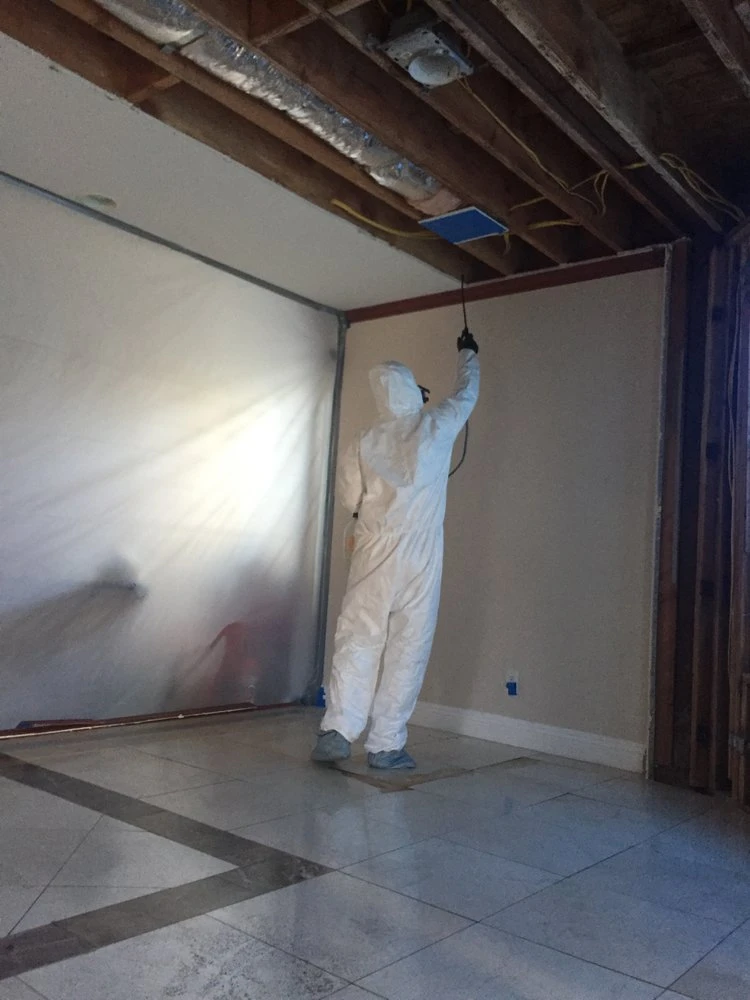
Once our Pasadena mold remediation technicians arrive, we handle the rest, including sealing off sections of your home to block airborne spores and setting up filtration systems.
Should I Stay Home During Remediation?
Many homeowners wonder whether they can remain inside during the service. In most cases, you may stay in unaffected zones as long as the affected areas are properly contained. Our crew uses negative air pressure systems and barriers that isolate the workspace to keep your home safe throughout the project.
Situations where we may recommend temporary relocation include:
- Strong contamination affecting high-traffic areas
- Mold infiltrating HVAC systems
- Multiple rooms requiring removal of flooring or drywall
- Cases involving individuals with severe allergies or respiratory concerns
We always discuss your options beforehand so you can make the choice that best fits your comfort level. That’s true whether you’re getting mold remediation in the Pasadena area or anywhere else in LA and Ventura counties.
How Can I Protect My Belongings Before Work Begins?
Personal items can be vulnerable during remediation, especially in areas where mold has already spread. While we handle contaminated materials carefully, it’s helpful to protect items that may be at risk.
Before our mold remediation team arrives, you should:
- Store electronics in a separate room
- Move artwork, photos, and framed items away from affected areas
- Place sensitive documents in sealed containers
- Remove loose rugs or fabrics
- Cover furniture in nearby rooms with plastic sheeting
Our team takes additional steps once onsite to protect your home, but early preparation helps prevent unintentional damage and speeds up the overall project.
Should I Clean the Area Before Your Team Arrives?
Although it may feel natural to try cleaning mold on your own, we advise against scrubbing or applying household products before professional service. Disturbing mold growth without containment can cause spores to spread throughout your home.
Instead of cleaning, focus on preparing the environment:
- Avoid wiping surfaces where mold is visible
- Do not vacuum contaminated carpets
- Leave any wet materials in place
- Keep windows closed in affected rooms
Our team uses specialized equipment and safe removal techniques to eliminate contamination without spreading it.
What If I Have Children or Pets?
Families with young children or pets should take extra precautions during remediation. Since mold spores become airborne during the early stages of containment, we suggest relocating pets or ensuring they stay in unaffected areas behind closed doors.
Some steps to take include:
- Moving pets to a friend’s home for the day
- Establishing play or rest areas far from the work zone
- Closing off hallways that connect affected rooms
- Removing pet beds, toys, and feeding dishes from nearby spaces
During our initial inspection, we can recommend additional adjustments based on the layout of your home.
How Does Your Team Protect the Rest of My Home?
One of the biggest concerns homeowners have is whether mold will spread during remediation. Our technicians use advanced systems designed to prevent cross-contamination.
Protective steps include:
- Installing containment barriers
- Running HEPA-filtered air scrubbers
- Using negative air pressure within workspaces
- Wearing personal protective gear
- Sealing vents and ducts to block airflow
This approach ensures mold spores remain confined and eliminated rather than unrestricted.
Should I Turn Off My HVAC System?
Yes. We typically recommend shutting down your heating or cooling system before mold remediation begins. Mold spores can travel easily through ductwork, and airflow from vents can push contamination into clean rooms.
Before we start:
- Turn off central heating and air conditioning
- Close vents in the affected area
- Avoid running fans, including bathroom or stove vents
- Keep windows closed unless we advise otherwise
Once remediation is complete, we help you assess whether additional cleaning or duct inspection is recommended.
Does Preparing My Home Affect the Length of the Project?
Preparation directly influences how efficiently we can work. When contaminated areas are clear and accessible, we can begin containment and removal immediately, reducing overall project time.
Factors that typically reduce delays include:
- Wide, unobstructed pathways for equipment
- Minimal furniture in contaminated rooms
- Properly relocated pets and children
- Early access to basements, attics, or crawl spaces if affected
Our goal is always to complete the project safely and efficiently, and preparation helps achieve that.
What Role Does Moisture Control Play Before Remediation?
Mold only forms where moisture persists. Ensuring that water intrusion has stopped is critical before we begin our work. If you’ve recently had a leak, flood, or plumbing issue, we will assess whether drying is required.
You can help by:
- Turning off leaking water lines
- Reporting signs of moisture before the appointment
- Documenting past leaks or spills
- Avoiding fan use, which can spread spores
Our team integrates moisture control into every project. When necessary, we also provide water damage restoration to ensure all affected materials are properly dried and stabilized.
Should I Schedule Mold Testing Before Remediation?
If you suspect widespread contamination, odor issues, or hidden growth, mold testing helps identify the type and severity. Testing is beneficial when the contamination is not visible or when symptoms suggest mold may be affecting your indoor air.
If testing is appropriate for your situation, we discuss this before remediation begins and walk you through what the results mean.
Can I Prepare for Remediation If the Mold Came From a Fire or Flood?
Yes. Mold often forms after a fire or major leak due to residual moisture. After a fire, water used to extinguish flames can seep deep into materials, creating ideal conditions for mold growth.
If your home experienced fire-related moisture, our team can coordinate services such as smoke damage restoration alongside remediation. Preparing for this type of scenario involves the same steps but may also require clearing additional debris or affected materials.
Do You Provide Insurance Support If My Claim Covers Mold?
We assist many homeowners who need insurance help for water-related mold events. While coverage varies significantly across policies, we help document damage, gather moisture readings, and prepare necessary reports to support your claim.
Your preparation can make insurance processing smoother when you:
- Photograph affected rooms
- Save receipts for emergency repairs
- Keep track of when leaks or issues began
- Share documentation with our team
We work with you to ensure your insurer receives accurate information.
How Much Preparation Is Needed for Attics or Crawl Spaces?
These areas often present unique challenges because of restricted access, insulation, and ventilation issues. Before our arrival, you can prepare by:
- Clearing access points such as attic doors
- Removing stored items if they block entry
- Ensuring crawl space hatches are not jammed or obstructed
- Notifying us of past leaks or roof issues
Our team handles the rest, including containment, ventilation control, and safe material removal.
When Should I Call for Mold Remediation in Pasadena?
If you notice musty odors, visible discoloration, sudden allergy symptoms, or past leaks, it’s best to schedule an inspection promptly. Mold spreads quickly, especially in warm, humid environments. Calling early helps limit how far it travels and protects your home.
Homeowners reach out to us for mold remediation in Pasadena when they notice:
- Dampness around windows or walls
- Warped flooring
- Odors stronger after rain
- Previous plumbing issues
- Water stains spreading over time
We provide fast service, full assessments, and clear guidance about the best way to restore your home. Of course, we provide more than just mold remediation for the Pasadena area. Indeed, we serve all of LA and Ventura counties, too.
What Happens After Remediation Is Complete?
Once remediation is finished, our team provides a final walkthrough and ensures all contaminated materials have been removed safely. We also discuss preventive measures so mold doesn’t return.
Post-remediation steps include:
- Reviewing moisture control recommendations
- Inspecting repaired areas
- Suggesting ventilation improvements
- Clarifying whether further repairs are needed
Many homeowners also take this time to ask about long-term prevention, which we are always happy to discuss.
How Our Team Supports Your Home Through the Entire Process
Preparation is only the beginning. From inspection to containment to full restoration, we focus on keeping your home safe, stable, and clean. Our mold remediation in Pasadena services include advanced equipment, experienced technicians, and complete moisture control so your home is restored correctly.
For homeowners throughout Los Angeles and Ventura Counties, our process helps restore comfort, safety, and peace of mind. Whenever you’re ready to begin mold remediation in the northeast parts of LA county or anywhere else in the area, we’re prepared to support you with detailed planning, efficient removal, and long-term solutions tailored to your home’s needs.