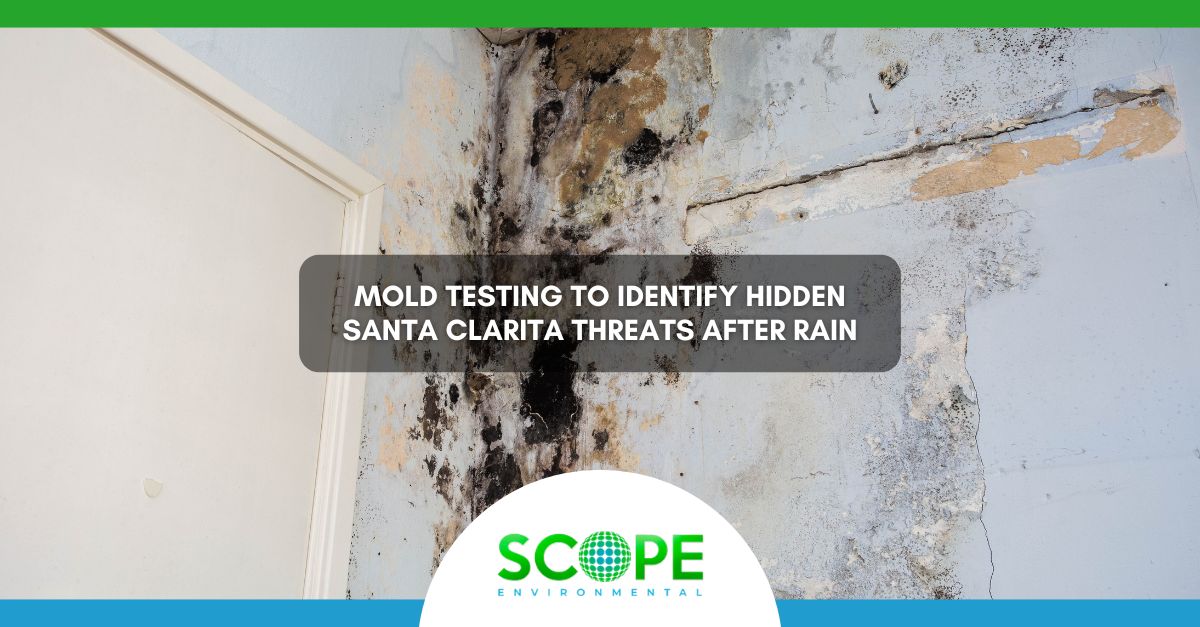
After heavy rain moves through the Santa Clarita Valley, many homeowners assume the danger has passed once surfaces dry. In reality, lingering moisture can remain inside walls, ceilings, and crawl spaces long after skies clear. At Scope Environmental, we provide the mold testing Santa Clarita property owners rely on to uncover hidden contamination before it spreads.
Our role is to identify what cannot be seen, measure what cannot be smelled with certainty, and give homeowners clear answers backed by data.
The Santa Clarita Micro-Climate
Many residents associate mold with humid coastal states or tropical regions. Southern California’s dry air leads people to believe microbial growth is unlikely here. That assumption often delays action.
The Arid Myth
It is common to hear that mold “can’t grow” in Santa Clarita because the air feels dry most of the year. While it is true that humidity levels are generally lower than in other parts of the country, mold does not require constant humidity to develop. It needs only a temporary moisture source and an organic surface.
Roof leaks, slab seepage, plumbing drips, and condensation inside ductwork all create small pockets of moisture. Once growth begins, colonies can survive in hidden cavities even after ambient humidity drops.
We frequently perform the mold testing Santa Clarita homeowners request after discovering:
- A faint musty odor
- Allergic symptoms that worsen indoors
- Past water intrusion that was never professionally dried
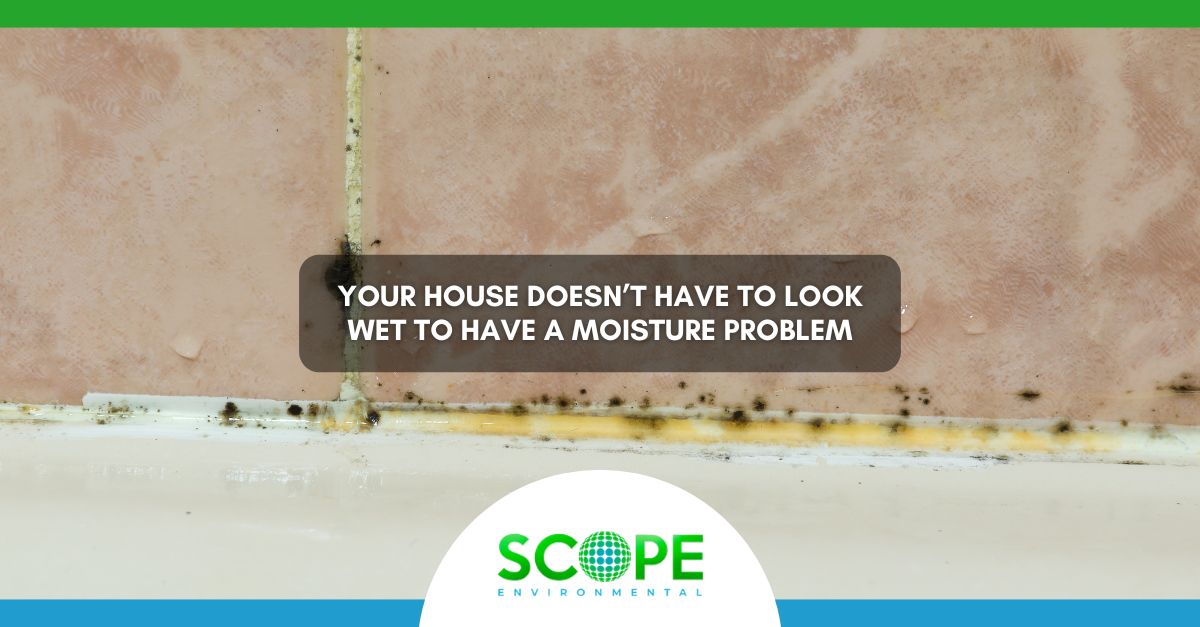
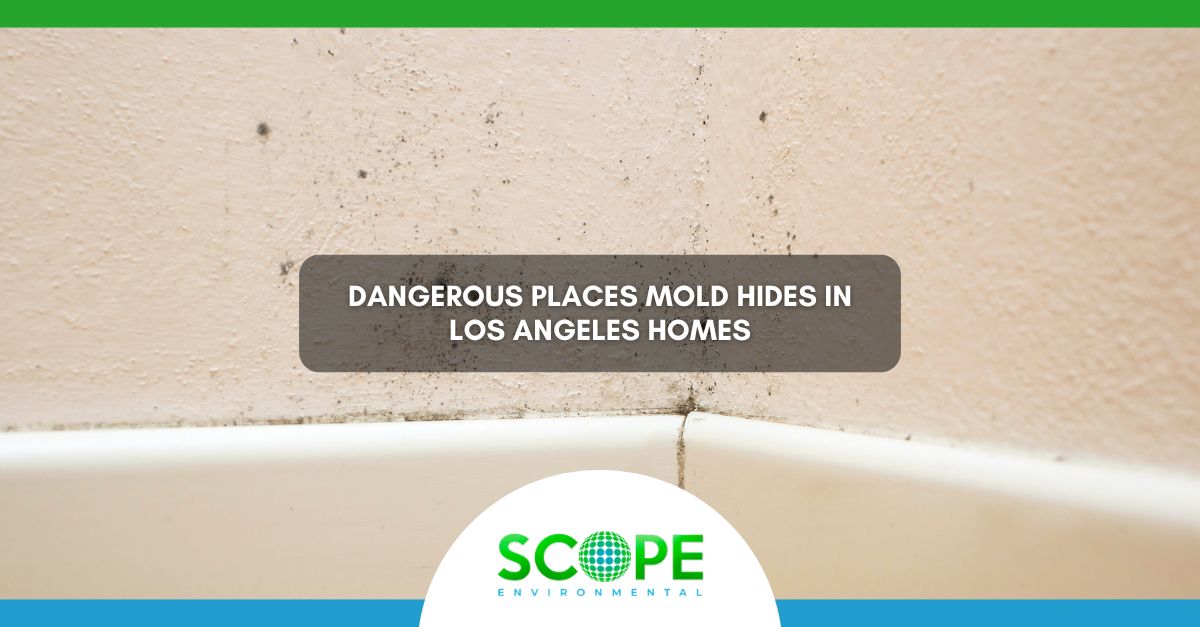
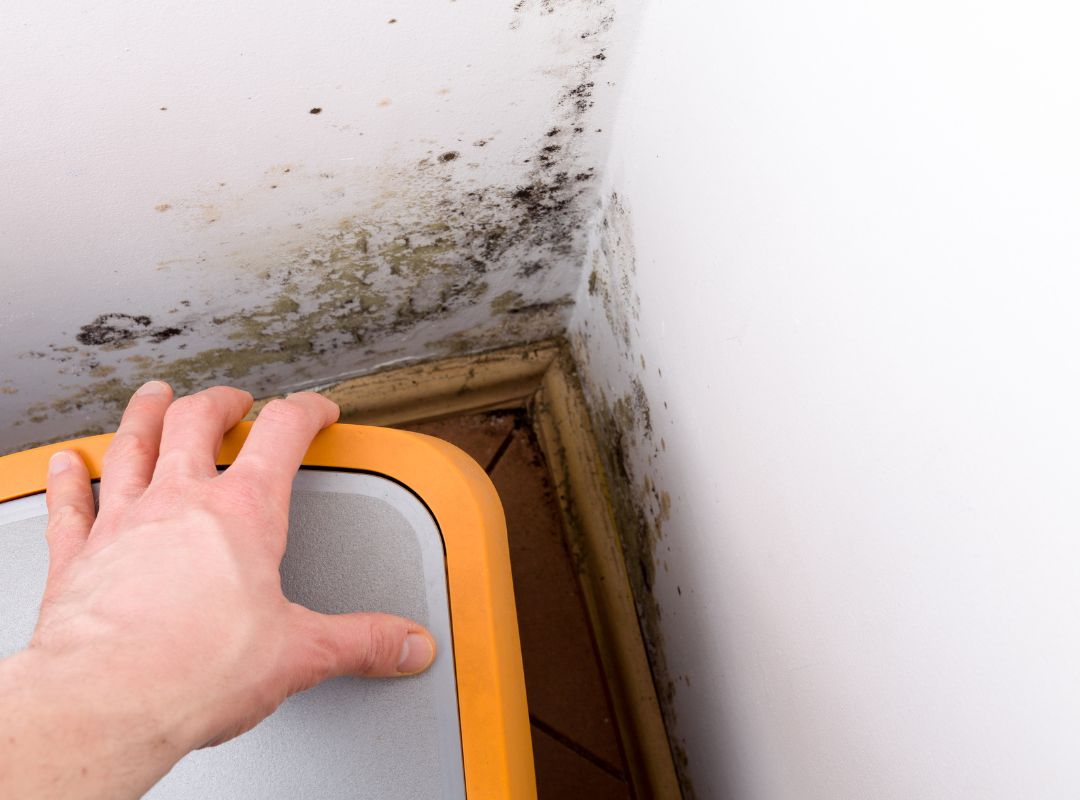
- Discoloration near baseboards or window frames
Dry air does not eliminate mold risk; it often masks it.
Sporulation in Dry Conditions
Interestingly, drier conditions can accelerate the spread of mold spores. When moisture decreases after rainfall, many species respond by releasing microscopic reproductive particles into the air. This process, known as sporulation, allows mold to search for new moisture sources.
That means a home can feel dry while airborne spore levels quietly increase. Without proper sampling, there is no way to know whether indoor air contains elevated contamination.
Our mold testing in Santa Clarita service includes calibrated air sampling that measures spores per cubic meter. These readings provide objective evidence of whether hidden colonies are present.
Atmospheric Rivers and Trapped Moisture
February 2026 brought significant atmospheric river events across Southern California. In Santa Clarita, extended rainfall allowed water to seep into stucco exteriors, crawl spaces, and wall assemblies.
As temperatures rise in spring and summer, that trapped moisture can create a greenhouse-like effect inside structural cavities. Heat accelerates microbial growth in concealed areas where ventilation is limited.
Homeowners may not notice visible staining or active leaks. Yet, behind drywall and beneath flooring, moisture can remain long enough to support colonization.
When properties experienced any level of storm intrusion earlier in the year, the mold testing Santa Clarita residents prefer reveal whether those events left behind hidden growth.
Musty But Not Visible: The Case for Professional Testing
Odor is often the first clue something is wrong. However, smell alone cannot determine severity, species, or location.
In many homes, mold develops on the backside of drywall, under laminate flooring, or inside insulation. These areas remain concealed until materials are removed.
We call this the cavity effect—growth occurring where it cannot be directly observed. By the time staining becomes visible, contamination may already be widespread.
Our mold testing in Santa Clarita inspections are designed to locate these hidden zones. We use moisture detection tools to identify areas of concern and then perform targeted sampling to confirm whether microbial activity is present.
This proactive approach allows us to determine whether further action, including mold remediation, is necessary.
Air Spore Sampling and Baseline Comparison
Accurate evaluation requires comparison. Outdoor air naturally contains mold spores, so indoor results must be measured against an exterior baseline.
Our testing process includes:
- Collecting outdoor control samples
- Gathering indoor air samples from multiple areas
- Sending cassettes to certified laboratories for analysis
- Comparing indoor spore counts to outdoor levels
If, when conducting our Santa Clarita molding test, we find that the indoor counts exceed the baseline, it suggests an active source inside the structure.
This data-driven method distinguishes between normal background levels and hidden contamination.
Identifying the Santa Clarita Trio of Mold
While many mold species exist, three categories appear frequently in Santa Clarita properties following rain or moisture intrusion.
Aspergillus and Penicillium: The Everyday Invaders
These genera are common indoors and often associated with HVAC systems and dust accumulation. They thrive in:
- Air ducts
- Attic insulation
- Carpet padding
- Areas with intermittent condensation
Because HVAC systems circulate air throughout a home, these molds can spread spores widely if colonies establish inside ductwork.
Our Santa Clarita mold testing evaluations frequently identify elevated Aspergillus or Penicillium levels when moisture has been present near air handling systems. Identifying them early prevents broader distribution through the ventilation network.
If testing confirms contamination, we outline next steps clearly and coordinate the appropriate corrective process.
Cladosporium: The Window and Bathroom Resident
Cladosporium commonly appears on window sills, in bathrooms, and near areas with fluctuating condensation. In Santa Clarita homes, it often forms where warm indoor air meets cooler surfaces.
While sometimes visible as dark speckling, it can also develop behind trim and under flooring.
We pay special attention to:
- Window framing after rain
- Bathrooms with inadequate ventilation
- Laundry areas
- Closet walls adjacent to exterior stucco
Stachybotrys Chartarum: The Heavy Hitter
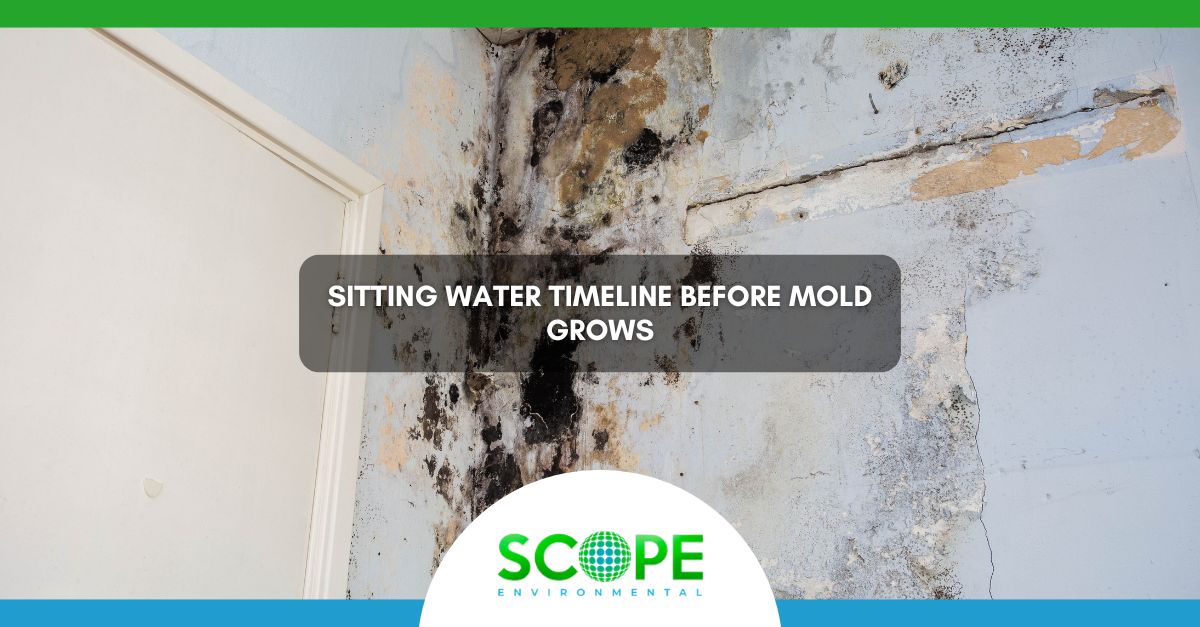
Often referred to as black mold, Stachybotrys chartarum requires sustained moisture to grow. It typically appears in areas with chronic leaks, such as:
- Slow plumbing drips inside walls
- Long-term roof intrusions
- Flooded materials that were not properly dried
Unlike surface molds that tolerate intermittent dampness, this species thrives when water exposure is continuous.
We approach suspected cases with careful containment and thorough testing. Giving the kind of mold testing Santa Clarita property owners rely on is especially important when water damage restoration was incomplete or delayed in the past.
Identifying this species early reduces the risk of extensive structural impact.
The Link Between Rain Events and Secondary Damage
Storm-related moisture does not always present as standing water. Small amounts of intrusion can accumulate over time.
Post-Storm Moisture Migration
Rainwater can enter through hairline stucco cracks or poorly sealed penetrations. From there, it migrates downward into framing cavities.
Even minor moisture can:
- Wet insulation
- Saturate drywall paper backing
- Raise humidity inside enclosed spaces
When we conduct mold testing after significant rain events, we often detect elevated levels in areas that appear visually intact.
Interaction with Previous Fire Damage
Homes that experienced fire damage in past seasons may have compromised building materials. After fire damage restoration, structural components can remain more vulnerable to moisture if not fully protected.
Additionally, properties requiring smoke damage restoration may have absorbed odor into porous materials. If those materials later become wet, microbial growth can develop more easily.
Understanding a property’s restoration history helps us tailor our inspection process accordingly.
Documentation and Insurance Considerations
Insurance carriers increasingly require objective evidence before approving mold-related claims. Proper documentation strengthens the case for coverage.
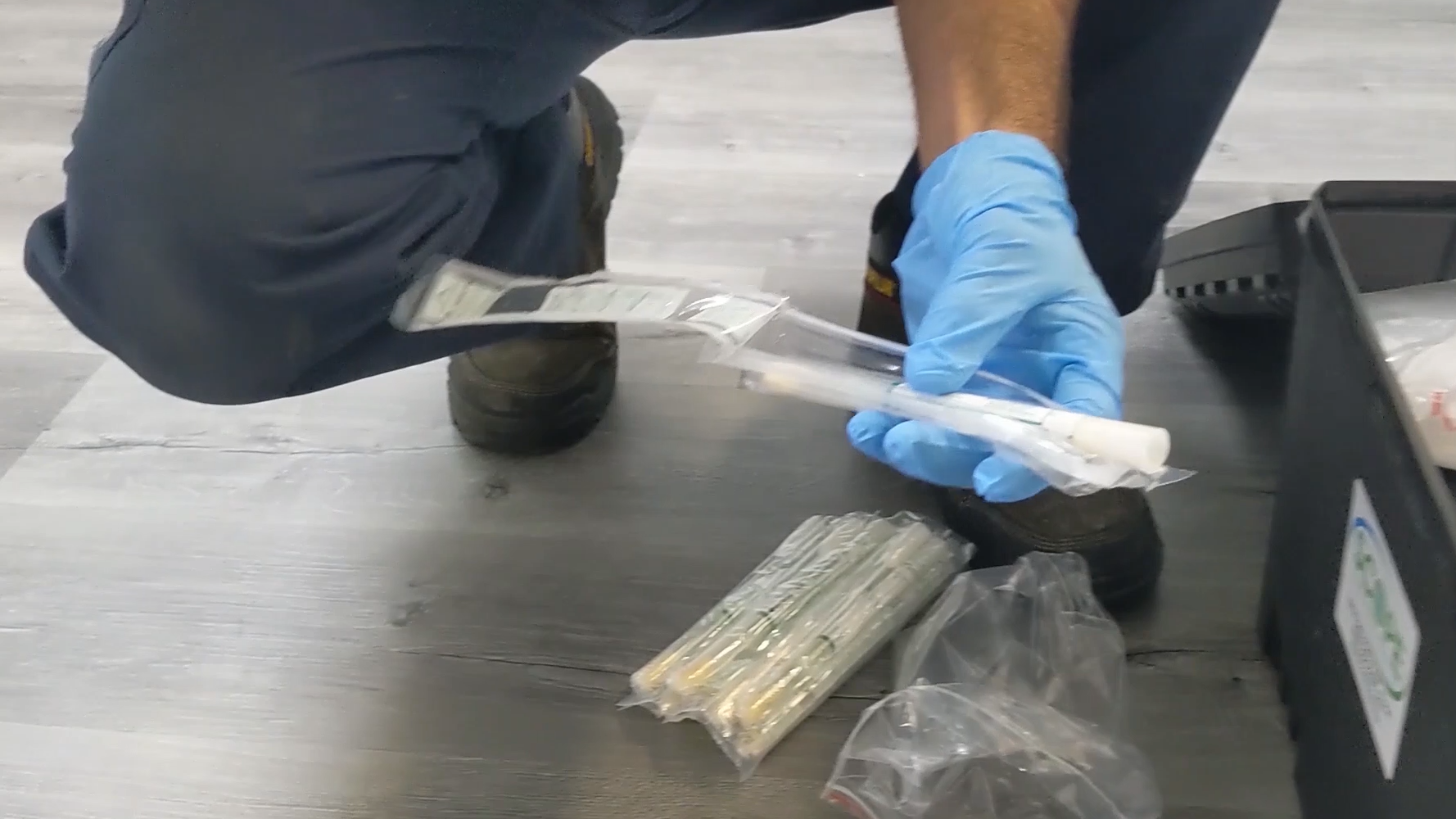
When mold testing, we provide:
- Laboratory reports with species identification
- Spore concentration data
- Moisture readings
- Photographic documentation
If coverage applies, we assist with insurance help by supplying the necessary technical reports. Clear documentation often accelerates claim processing.
For properties that previously required water damage restoration, testing can also confirm that drying was successful or identify areas needing additional attention.
The Mold Testing Santa Clarita Calls to Get Rid of Hidden Threats
At Scope Environmental, we focus on measurable results and transparent communication. Each inspection begins with a detailed walkthrough and moisture assessment. Sampling locations are selected strategically based on construction style, airflow patterns, and recent weather exposure.
We explain findings clearly and provide recommendations grounded in laboratory data. If contamination is present, we outline practical next steps without unnecessary escalation.
We’ve found that, providing the caliber of mold testing Santa Clarita residents depend on should provide clarity, not confusion. Our goal is to give homeowners confidence in the safety of their indoor environment.