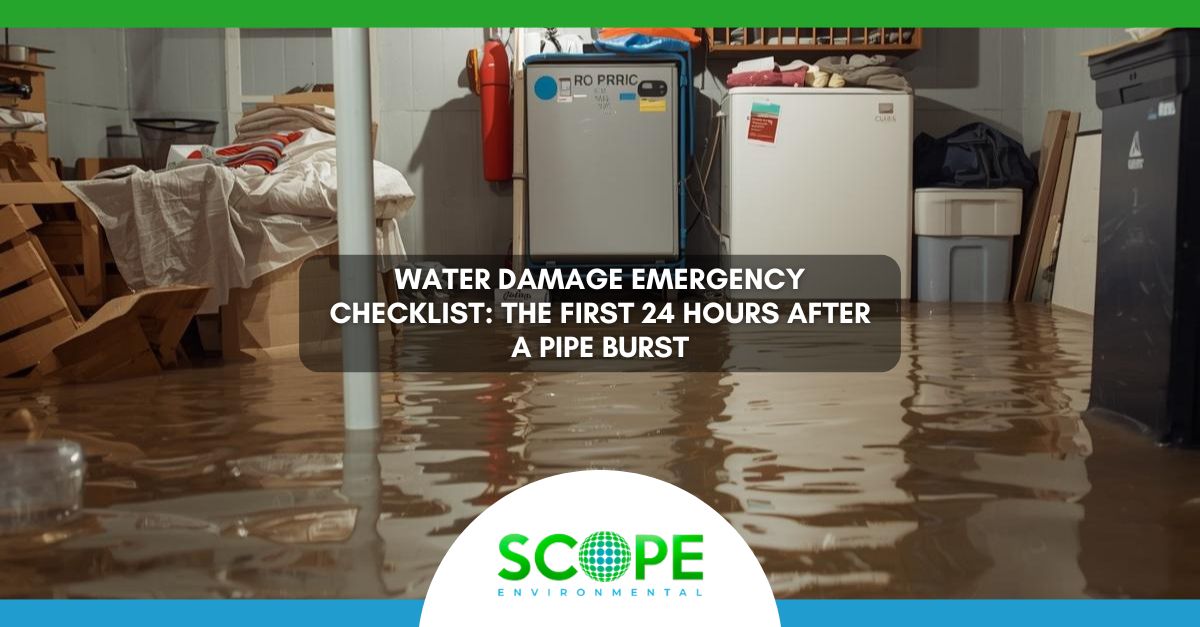
Acting quickly and correctly in those first moments can make a major difference in how much damage your property sustains and how smooth your recovery process will be.
The Immediate “Panic” Steps (The First 15 Minutes)
When water is actively flowing, speed matters more than perfection. These first actions are about stopping the damage from getting worse and protecting everyone inside the property. Keep this section simple and accessible—you may be reading it while standing in water.
- Stop the Flow
Locate your main water shut-off valve and turn it off immediately. This is often found near the perimeter of your home, in a garage, basement, or outside near the water meter. If you’re unsure where it is, knowing ahead of time can save valuable minutes in an emergency. - Safety First
If water has reached electrical outlets, appliances, or wiring, do not step into standing water. Shut off electricity at the breaker panel only if it is safe to access. If there is any doubt, wait for professionals. Electrical hazards combined with water can be life-threatening. - The Call Order
Your first call should be to a professional restoration company. Acting quickly to mitigate damage can prevent the situation from worsening and reduce the total cost of repairs. Waiting to begin cleanup can lead to structural issues and mold growth. After contacting professionals, then notify your insurance provider.
These early steps are the foundation of any effective water damage emergency checklist. Quick decisions here can prevent long-term consequences.
The First 24 Hours
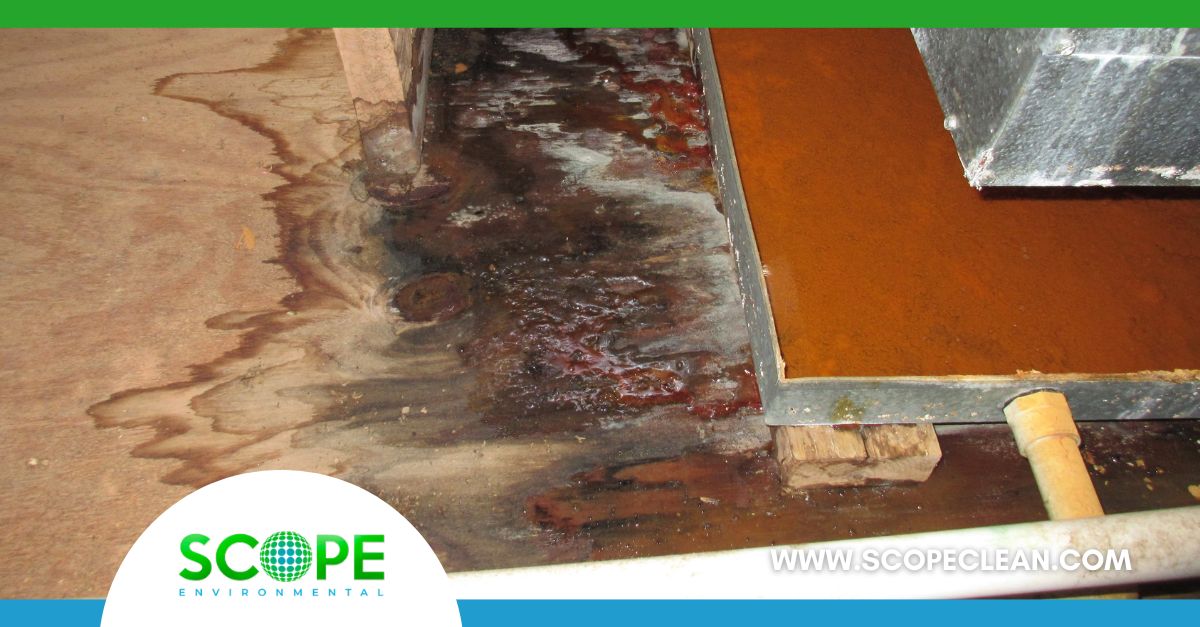
Once the initial emergency is under control, the next 24 hours become critical. Water does not simply disappear—it migrates into flooring, walls, insulation, and substructures. Even if surfaces appear dry, hidden moisture can lead to serious complications.
Why Timing Matters
Within hours, water begins to break down materials like drywall and wood. Within a day, odors can develop, and conditions become ideal for microbial growth. That is why following a structured water damage emergency checklist is essential—not just for cleanup, but for prevention of further damage.
This is true any time of year, whether it’s during SoCal’s rainy season or any other period.
The Documentation Phase (The “Paperwork” Defense)
One of the most common concerns after a pipe burst is whether insurance will cover the damage. Proper documentation can significantly improve your chances of a successful claim.
Capture the Full Picture
Before any cleanup begins, take detailed photos and videos of all affected areas. This includes:
- Wide-angle shots of entire rooms
- Close-ups of damaged materials and belongings
- Visible signs of the pipe failure
Documenting everything before mitigation starts helps establish the extent of the damage.
Preserve the Source
Do not throw away the burst pipe or any part of the failed plumbing. Insurance adjusters may need to inspect it to determine the cause of loss. Keeping this evidence can help support your claim.
Start a Loss Log
Create a running list of all damaged items as they are identified or moved. Include:
- Furniture
- Electronics
- Rugs and flooring
- Personal belongings
This organized approach aligns with a strong water damage emergency checklist and ensures nothing is overlooked during the claims process.
The Mitigation Phase (Stopping Secondary Damage)
Once documentation is underway, the focus shifts to preventing further harm. Secondary damage can be just as costly as the initial event.
Improve Airflow
If outdoor humidity is lower than indoors, open windows to encourage ventilation. Air circulation helps slow moisture buildup, but it is not a complete solution on its own.
Protect Furniture and Surfaces
Lift furniture off wet flooring whenever possible. If items cannot be moved, place aluminum foil or wood blocks under legs to prevent staining and moisture transfer. This step helps reduce permanent damage to both furniture and flooring.
Understand Hidden Moisture
Surfaces may feel dry while moisture remains trapped beneath. Water can soak into subfloors, behind walls, and into insulation. Professional equipment is necessary to detect and remove this hidden moisture effectively.
Following a detailed water damage emergency checklist during this phase helps prevent long-term structural issues and costly repairs.
Professional Water Extraction and Drying
Removing visible water is only part of the process. Thorough extraction and drying require specialized equipment and expertise.
Why Surface Drying Isn’t Enough
Standard household fans and towels cannot reach deep into the moisture. Without proper drying, materials can warp, weaken, or develop odors. Professional-grade air movers and dehumidifiers are designed to address moisture at every level.
How We Help You Stabilize the Environment
Our team responds quickly to assess the extent of water intrusion and deploy targeted drying strategies. By addressing both visible and hidden moisture, we help prevent complications that could arise days or weeks later.
Preventing Mold Growth
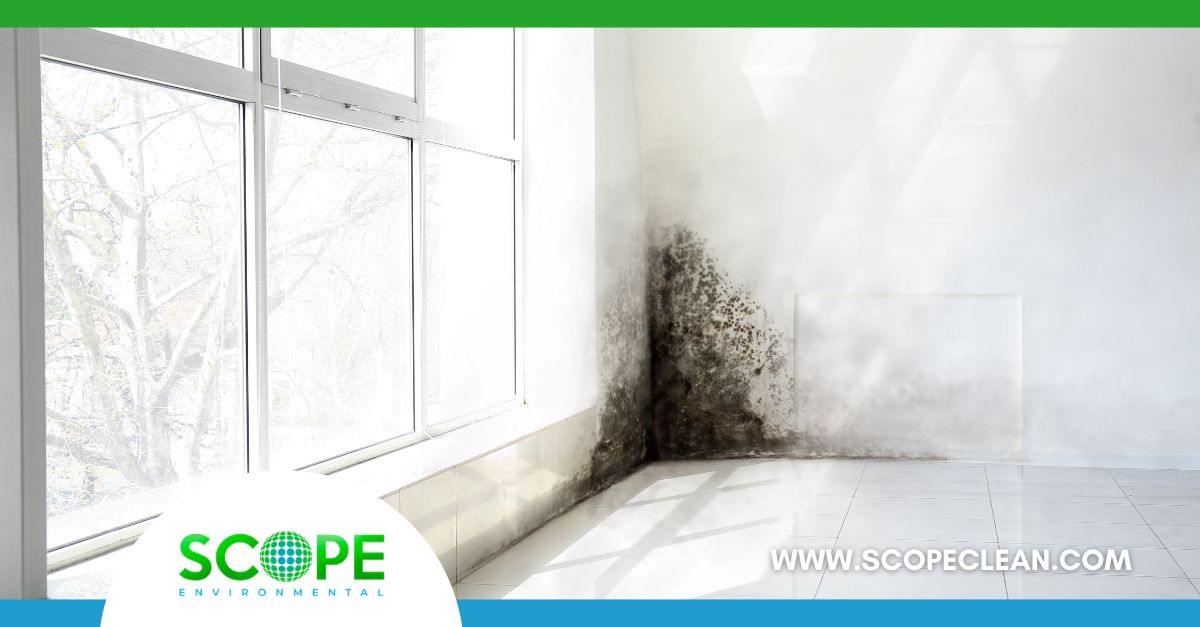
Moist environments create ideal conditions for mold to develop, often within 24 to 48 hours. Preventing this is one of the most important reasons to act quickly.
Early Intervention Matters
Even small amounts of trapped moisture can lead to growth behind walls or under flooring. Addressing these areas early reduces the risk of contamination.
Testing and Verification
Professional mold testing can identify hidden issues before they spread. Detecting problems early allows for targeted solutions that protect both your property and indoor air quality.
A well-executed water damage emergency checklist includes proactive steps to stop mold before it becomes a larger concern.
Coordinating Restoration Services
Once the property is stabilized, restoration work begins. This phase focuses on returning your home to its pre-loss condition.
Structural Repairs and Cleanup
Damaged materials such as drywall, flooring, and insulation may need to be removed and replaced. Proper restoration ensures that the structure is safe and sound.
Addressing Additional Damage Types
In some cases, water events can overlap with other issues. For example, if electrical systems or appliances are affected, there may be a need for fire damage restoration due to short circuits or related hazards. Handling all aspects of damage ensures a comprehensive recovery.
Long-Term Protection and Monitoring
Even after drying and repairs are complete, ongoing monitoring is important to ensure no hidden issues remain.
Checking for Residual Moisture
Follow-up inspections can confirm that all areas are fully dry. This step reduces the likelihood of future problems.
Preventative Measures
Consider improvements such as:
- Regular plumbing inspections
- Installing leak detection systems
- Insulating pipes in vulnerable areas
These steps can reduce the risk of future incidents and support long-term property protection.
Moving Forward After the First Day
The first 24 hours set the tone for the entire recovery process. Acting quickly, documenting thoroughly, and following a structured approach can make a significant difference in outcomes.
A reliable water damage emergency checklist helps guide every step, from immediate response to long-term restoration. By staying organized and working with experienced professionals, you can protect your home and minimize disruption.
Comprehensive Restoration Support
When a pipe bursts, you need more than just cleanup. Specifically, you’ll need a coordinated response that addresses every layer of damage. From initial extraction to mold remediation and beyond, having a dedicated team ensures nothing is overlooked.
We approach every project with urgency and precision, helping you move from crisis to recovery with confidence. By following a proven water damage emergency checklist and applying industry best practices, we work to restore your property efficiently and thoroughly.