
Dealing with water damage in your home or business is stressful enough without the added anxiety of navigating an insurance claim. When a pipe bursts, a roof leaks, or a flood occurs, your first instinct is to clean up the mess as quickly as possible. However, the steps you take immediately following the incident can significantly impact the outcome of your insurance claim.
Soon after you report the damage, your insurance company will send an adjuster to evaluate the situation. This professional is tasked with determining the cause of the loss, the extent of the damage, and the estimated cost of repairs. Understanding exactly what the adjuster is looking for can help you prepare effectively and ensure a smoother, faster claims process.
Many property owners assume that the adjuster simply walks in, looks at the wet floor, and writes a check. The reality is much more detailed. Adjusters rely on specific types of evidence to verify the claim and calculate a fair payout. By knowing their expectations in advance, you can avoid common pitfalls that lead to delayed or denied claims.
Here is a comprehensive breakdown of the key elements insurance adjusters look for during a water damage claim, and how you can provide exactly what they need.
Comprehensive Documentation
When an adjuster arrives at your property, their primary goal is to piece together the story of the water damage event. They need to know exactly when it happened, how it happened, and what was affected. This is where your documentation becomes critical.
Adjusters look for a detailed inventory of damaged items, including furniture, electronics, and structural materials like drywall and flooring. You should be prepared to provide purchase receipts, warranties, and any relevant maintenance records for the source of the leak, such as a water heater or plumbing system. This paperwork proves the value of your lost items and demonstrates that the damage was sudden and accidental, rather than the result of long-term neglect.
Strict Mitigation Timelines
Insurance policies typically require the policyholder to take immediate action to prevent further damage. This is known as mitigation. The adjuster will closely examine your timeline to see how quickly you responded to the crisis.
If a pipe bursts on a Friday, but you wait until Monday to call a professional cleanup crew, the water will likely cause secondary damage, such as mold growth or structural rot. Adjusters actively look for evidence of delays. If they determine that your hesitation exacerbated the problem, the insurance company may refuse to cover the additional damage. To satisfy the adjuster, you need to show that you acted swiftly to stop the water source, extract standing water, and begin the drying process.
Accurate Moisture Readings
Visible water is only part of the equation. Moisture easily seeps into hidden spaces, penetrating behind walls, under floorboards, and into ceiling cavities. Adjusters use specialized equipment, such as moisture meters and thermal imaging cameras, to detect trapped water that the naked eye cannot see.
They are looking for scientific proof of the water’s migration path. If you hire a professional restoration company, they will take their own moisture readings and create a detailed drying log. The adjuster will compare your restoration company’s readings with their own findings. Accurate, well-documented moisture readings prove the true severity of the damage and justify the need for extensive drying equipment and structural repairs.

Photographic Evidence
A picture is worth a thousand words, especially in an insurance claim. Adjusters rely heavily on photographic evidence to understand the state of the property immediately after the incident occurred.
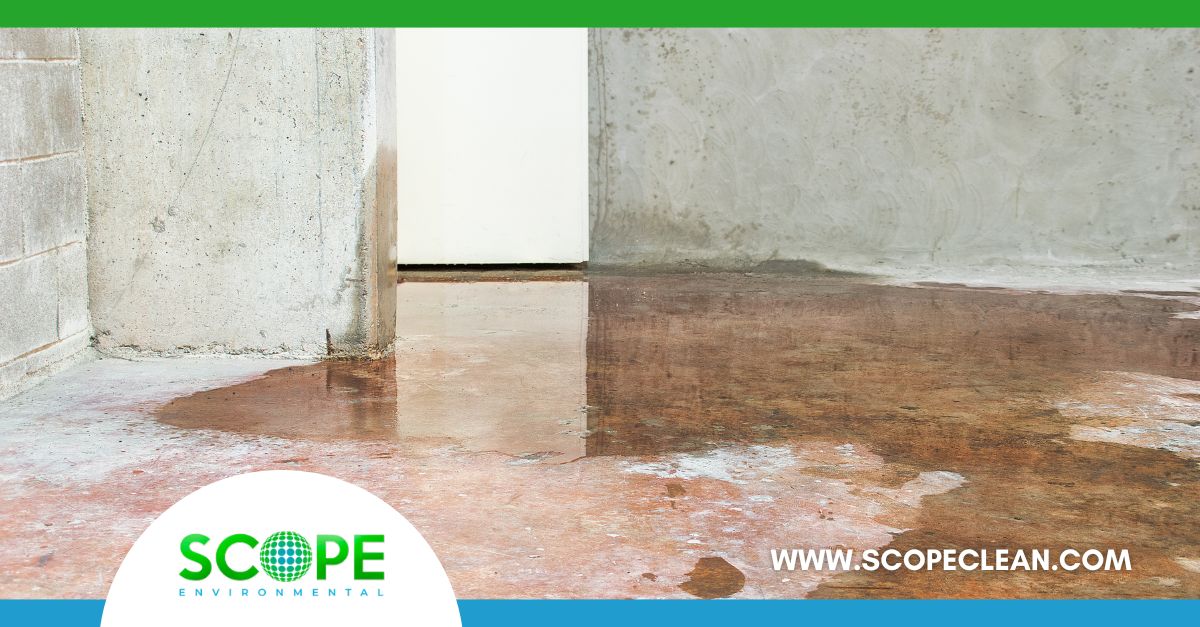
They expect to see high-quality photos of the initial standing water, the source of the leak, and all damaged personal belongings. It is crucial to take these photos before you move items or begin the cleanup process. The adjuster will also take their own photos during the inspection, but your initial images serve as irreplaceable proof of the original devastation. Provide photos from multiple angles, capturing close-up details as well as wide shots of the affected rooms.
Detailed Emergency Response Records
Finally, the adjuster will request all records related to the emergency response. This includes invoices, contracts, and daily logs from the plumbers and water damage restoration professionals you hired.
These documents show exactly what actions were taken to stabilize the property. Adjusters scrutinize these records to ensure the charges are reasonable and customary for your region. They look for detailed descriptions of the services provided, such as the number of water extractors used, the hours of labor billed, and the specific antimicrobial treatments applied to prevent mold. Organized and transparent emergency response records build trust with the adjuster and streamline the approval process.
Protect Your Property and Peace of Mind
Navigating a water damage claim requires speed, accuracy, and professional expertise. As a leader in fire and water cleanup and restoration, SCOPE offers your insurance company an array of competitive advantages. Our team is trained to provide exactly what insurance adjusters need, from rigorous documentation to precise moisture mapping.
Our goal is to restore both your property and your peace of mind through timely mitigation and strict adherence to IICRC standards. By partnering with SCOPE, you ensure that every step of the cleanup process is handled professionally, giving your claim the highest chance of success. If you are dealing with water damage, don’t wait. Contact our emergency response team today to protect your property and get your life back to normal.