
Discovering unexpected Water Damage in your home or commercial building is always a stressful experience. Whether a pipe bursts in the middle of the night, a heavy storm floods your basement, or a hidden leak slowly saturates your drywall, the initial shock can leave you paralyzed. Many property owners feel tempted to grab a few towels, set up a fan, and wait to see if the situation resolves itself. Dealing with insurance companies and cleanup crews feels overwhelming, making procrastination an attractive option.
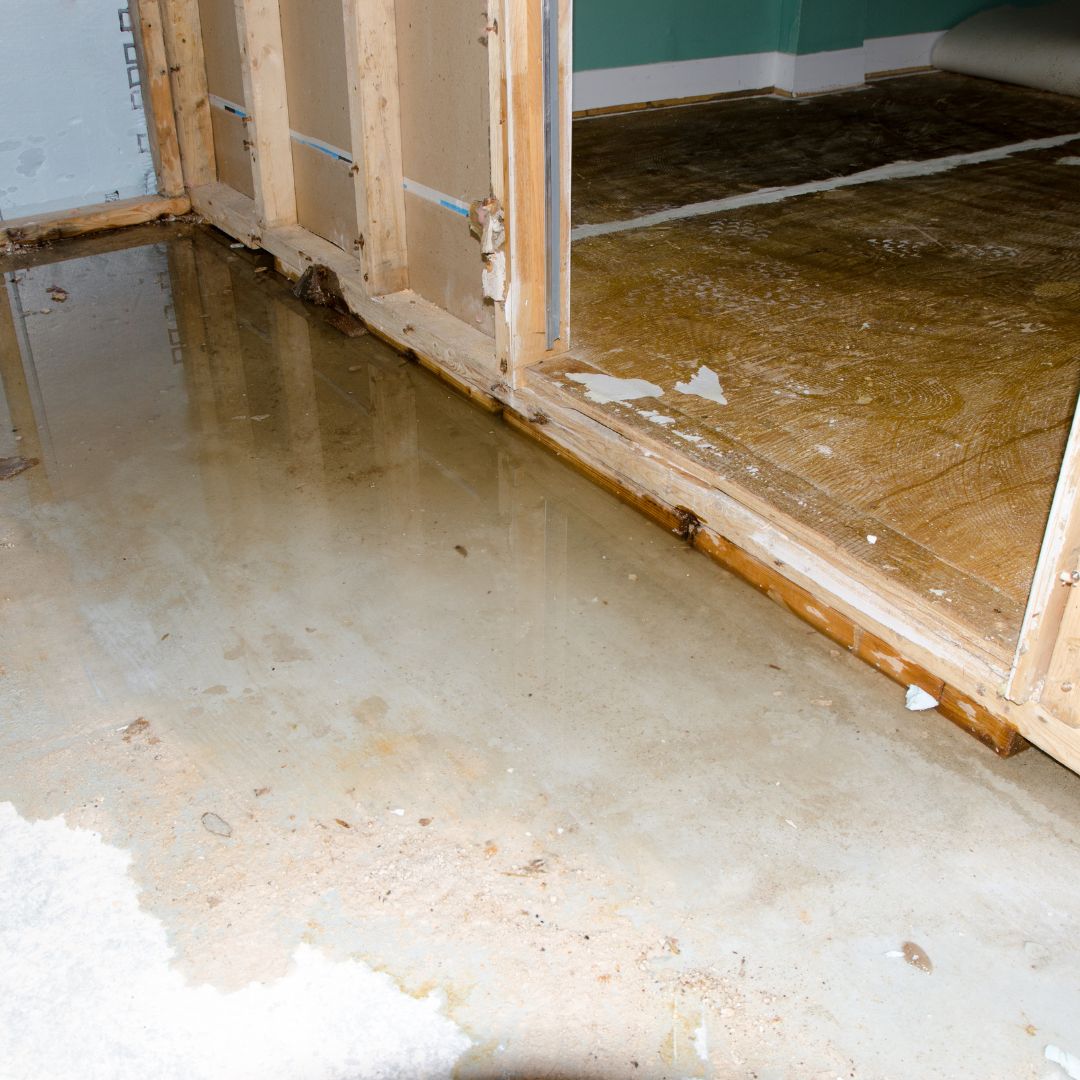
Unfortunately, time is the absolute worst enemy when dealing with unwanted moisture. Water is highly invasive, quietly seeping into porous materials, traveling under floorboards, and wicking up walls long before you notice the full extent of the problem. While the surface might feel slightly damp, the structural cavities beneath are often completely submerged.
By the time the 72-hour mark rolls around, a manageable accident typically transforms into a severe hazard. Materials that could have been saved on day one are often ruined by day three. More importantly, the environment becomes a breeding ground for dangerous biological contaminants. To help you understand the risks of delaying action, we have compiled the most frequently asked questions regarding the critical timeline of property water damage.
Frequently asked questions about delayed water damage
What actually happens to a property within the first 24 hours?
The degradation process begins the moment water makes contact with your floors and walls. Within the first few hours, drywall acts like a sponge, absorbing moisture and softening. Wooden furniture standing in water will begin to swell, and metal surfaces may start to tarnish.
As you approach the 24-hour mark, you will likely notice a distinct, musty odor developing in the affected area. This is the first indicator that moisture is trapped and stagnant. Paper goods, photographs, and books will warp and degrade. If the water spread across hardwood floors, the boards will begin absorbing the moisture, leading to the early stages of cupping and buckling. Acting within this initial window gives restoration professionals the highest chance of salvaging your building materials and personal belongings.
Why is the 72-hour window so critical?
The 72-hour mark is widely considered the point of no return for mold growth. Microscopic mold spores exist naturally in the air, but they require moisture and organic material to thrive. When drywall, wood, and insulation remain wet for two to three days, these spores settle in and multiply rapidly.
Once mold establishes a colony, the cleanup process becomes significantly more complicated and expensive. Instead of extracting water and drying the area, professionals must use containment protocols to prevent mold spores from spreading.After three days of water exposure, wood framing and composite materials often require replacement instead of repair.
Will waiting to call a professional affect my insurance claim?
Delaying action is one of the most common reasons insurance providers deny water damage claims. Standard homeowner and commercial property policies usually cover sudden and accidental water damage. However, these policies also require the property owner to take immediate, reasonable steps to mitigate the loss and prevent further damage.
If you wait 72 hours to report the issue or call a water extraction team, the resulting secondary damage—such as extensive mold growth or rotted floor joists—will likely be classified as negligence. Adjusters are trained to identify the difference between initial damage and degradation caused by a delayed response. Failing to act quickly could leave you paying out of pocket for the most expensive parts of the restoration process.
Can the area dry out on its own if I open windows and use fans?
A common misconception is that standard household fans and an open breeze are enough to handle an indoor flood. While these methods might dry the visible surface of a carpet or wall, they are completely ineffective at pulling moisture out of subflooring, wall cavities, and insulation.
Water naturally flows to the lowest possible point, finding its way into dark, unventilated spaces where natural evaporation simply cannot occur. Professional restoration teams use heavy-duty water extractors, industrial-grade dehumidifiers, and thermal imaging cameras to locate and eliminate hidden moisture. Relying on open windows for 72 hours only guarantees that the trapped water will fester and cause deeper structural decay.
What are the health risks associated with sitting water?
The health implications of untreated water damage escalate rapidly day by day. The specific risks depend heavily on the source of the moisture. Clean water from a broken supply line is relatively safe initially, but after 48 to 72 hours of contact with building materials and dirt, it degrades into what the industry calls “gray water.” This means it now contains significant levels of chemical, biological, or physical contaminants.
If the water originated from a sewer backup or ground flooding, it is classified as “black water” immediately. Black water is highly toxic and carries harmful bacteria, pathogens, and raw sewage. Leaving any type of contaminated water stagnant for days increases the risk of severe respiratory issues, skin infections, and allergic reactions for anyone inside the building. The rapid fungal growth that occurs after 72 hours only compounding these health hazards, releasing mycotoxins into the indoor air supply.
Is it completely too late to save my floors and walls after three days?
While the 72-hour mark significantly reduces the salvage rate of your property, it does not mean the entire building is a loss. Certain non-porous materials like tile, concrete, and glass can usually be cleaned and sanitized regardless of the timeframe.
However, porous materials almost always require removal. Saturated drywall will crumble and lose its structural integrity, meaning restoration professionals must cut out and replace the affected sections. Water exposure will permanently warp baseboards. Carpet padding traps bacteria and requires disposal, though restoration professionals can occasionally treat the top layer of carpet if the water remains completely clean. Extensive buckling can damage hardwood floors so severely that restoration crews must remove them, dry the subfloor, and install new boards.
Stop the clock and protect your property
Time rarely heals the wounds inflicted by indoor flooding. Every passing hour allows moisture to penetrate deeper into your building’s framework, escalating repair costs and jeopardizing the health of the occupants. Recognizing the urgency of the situation is the first step toward a successful recovery.
When disaster strikes, partnering with an experienced and responsive restoration team makes all the difference. Scope Environmental dba CBC Cleaning and Construction delivers environmental restoration and cleaning services to property owners and managers throughout Southern California. Our highly trained technicians understand water damage and use advanced equipment to stop further damage quickly.
Do not wait to see if the problem will resolve itself. If you are dealing with unwanted moisture, protect your property and your peace of mind by contacting us immediately for a comprehensive evaluation and rapid water extraction.