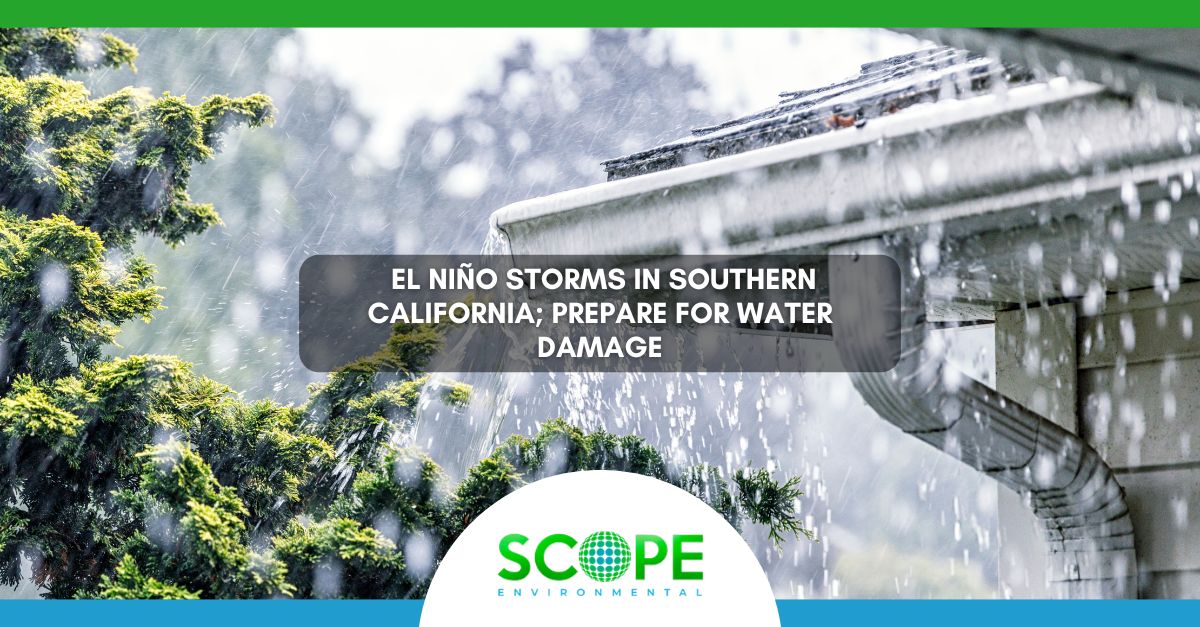
Southern California isn’t known for rain, which is exactly why El Niño storms catch so many homeowners and business owners off guard. When these weather patterns roll in, they don’t just bring a passing shower. They bring sustained, heavy rainfall that can overwhelm drainage systems, seep into foundations, and expose weaknesses in roofs and walls that have gone unnoticed for years.
If you’ve lived through a previous flood or water intrusion, the risk is even higher. Water damage rarely announces itself loudly. It hides behind walls, under flooring, and inside insulation, quietly weakening structures long before visible signs appear.
Let’s prepare your property for El Niño storms, what to do if you’ve had previous water damage, and how to respond quickly if the worst happens. Whether you’re safeguarding a family home or a commercial building, understanding these steps can save you thousands of dollars in repairs and protect your health from mold-related risks.
How Should You Prepare Your Property Before an El Niño Storm Hits?
Preparation is your best defense against storm damage. Before the rain starts, walk your property and check for the following:
- Clear your gutters and downspouts. Debris buildup forces water to overflow, pooling near your foundation instead of draining away.
- Inspect your roof for damage. Missing shingles, cracked tiles, or worn flashing are common entry points for water during heavy rain.
- Check window and door seals. Gaps and worn caulking let water seep into walls and flooring.
- Grade your landscaping away from your home. Soil that slopes toward your foundation directs water exactly where you don’t want it.
- Test your sump pump. If your property has one, make sure it’s functioning before you need it, not during an emergency.
Taking these steps early gives you a much better chance of avoiding costly repairs once the storms arrive.
What If Your Property Already Has Previous Water Damage?
If your home or business has experienced water damage before, El Niño storms present an added layer of risk. Areas that were previously affected, even if repaired, can be more vulnerable to future intrusion. Repairs that weren’t handled by a professional restoration team may leave behind weakened materials, trapped moisture, or compromised structural integrity.
Before storm season begins, have these areas professionally reinspected. A trained eye can identify whether previous damage was fully resolved or if underlying issues remain. This is particularly important for:
- Areas where drywall or flooring was replaced after a past leak
- Basements or crawl spaces with a history of flooding
- Roofs that were patched rather than fully repaired
Skipping this step means you could be dealing with damage that compounds, turning a manageable repair into a much larger, more expensive problem.
What Can You Do to Avoid Further Water Damage During a Storm?
Once a storm is underway, your focus shifts from prevention to damage control. Here’s what helps limit further harm:
- Monitor water intrusion points regularly. Check basements, attics, and areas near windows and doors throughout the storm, not just once it passes.
- Move valuables and electronics off the floor. Even minor flooding can ruin items stored at ground level.
- Use towels or sandbags for minor leaks. These temporary measures can slow water spread until professional help arrives.
- Turn off electrical circuits in flooded areas. Standing water and electricity are a dangerous combination, so prioritize safety first.
- Document everything with photos or video. This step matters for insurance claims and helps restoration professionals understand the full scope of damage.
What Should Your Plan of Action Be If Water Damage Occurs?
When water damage happens despite your best efforts, having a clear plan reduces stress and speeds up recovery. Follow these steps in order:
- Ensure safety first. Avoid contact with standing water if electrical systems may be compromised.
- Stop the source, if possible. Shut off water valves or block additional water from entering, if it’s safe to do so.
- Call a professional restoration company immediately. Time matters more than most people realize. Water damage restoration can’t be put off. That’s why Scope Environmental is available 24/7/365. When water damages your home, business, or any other kind of building, Scope Environmental can be there within an hour of your call.
- Contact your insurance provider. Provide your documentation and begin the claims process as early as possible.
- Avoid DIY drying attempts for significant damage. Fans and dehumidifiers help with minor moisture, but larger flooding requires industrial-grade equipment to fully dry out affected areas.
Why Does Hidden Water Damage Matter More Than You Think?
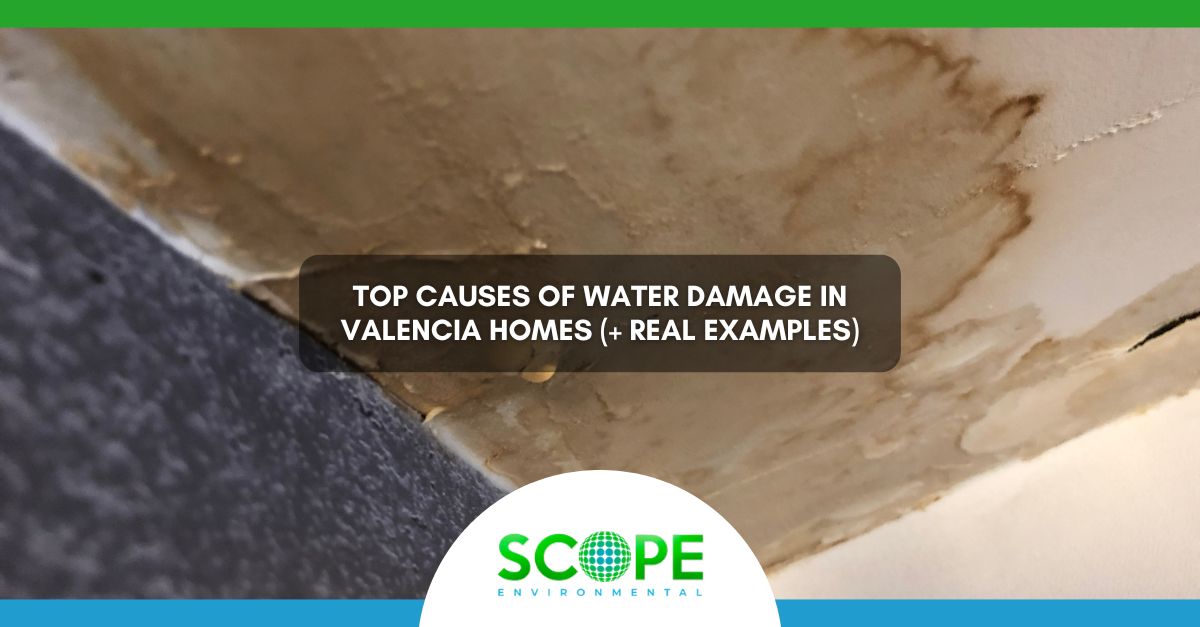
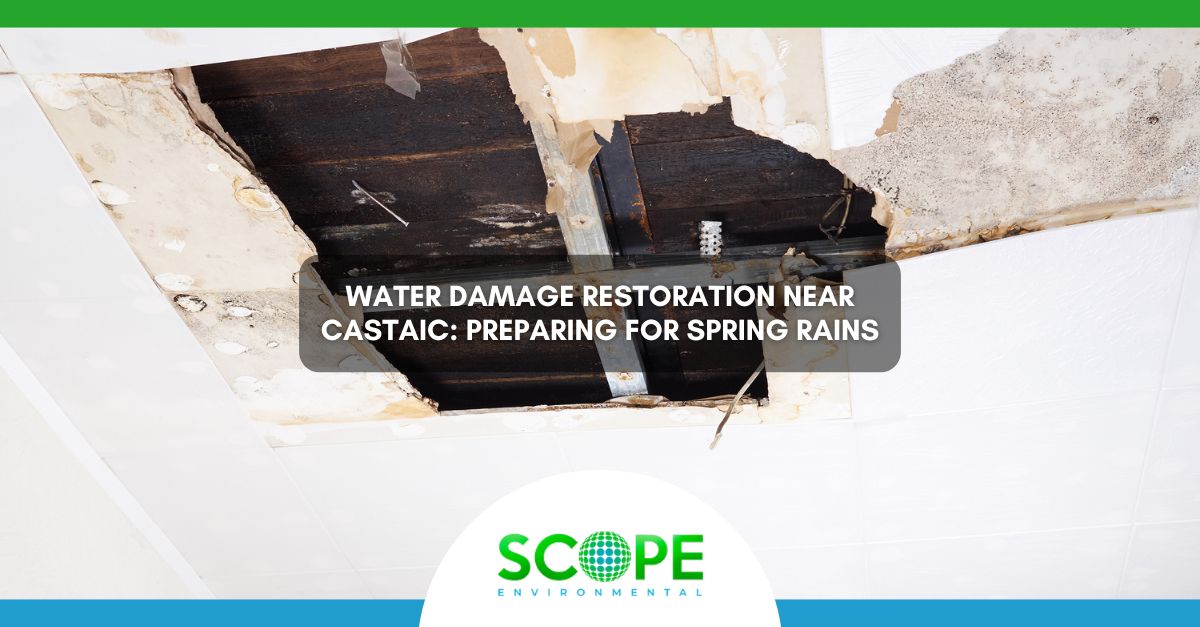
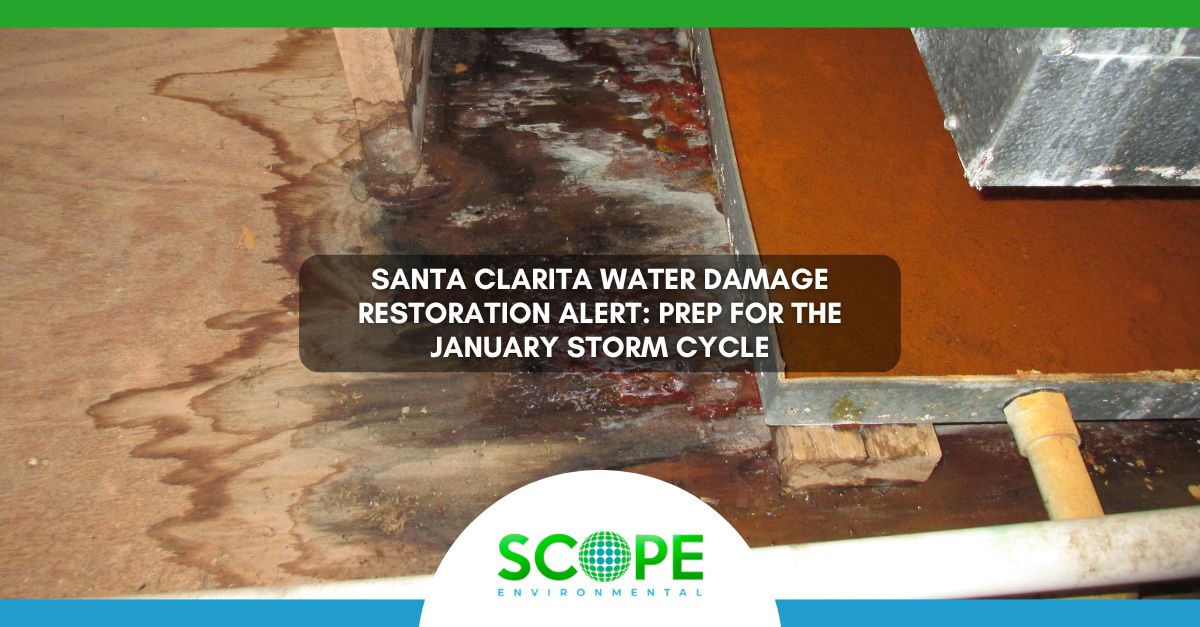
Visible water damage is easy to spot: stained ceilings, warped flooring, or puddles on the floor. Hidden water damage is far more dangerous because it develops out of sight, often behind walls, under carpeting, or inside HVAC systems.
Left untreated, hidden moisture leads to mold growth within 24 to 48 hours, according to the Environmental Protection Agency. Mold doesn’t just damage materials, it poses serious health risks, particularly for individuals with respiratory conditions, allergies, or weakened immune systems.
Signs of hidden water damage include:
- A musty odor that doesn’t go away
- Discoloration on walls or ceilings that seems to spread over time
- Peeling paint or bubbling wallpaper
- Unexplained increases in humidity within a room
If you notice any of these signs after a storm, don’t wait. Professional moisture detection tools, like infrared cameras and hygrometers, can identify problems that aren’t visible to the naked eye.
Why Fast, Professional Restoration Services Make All the Difference
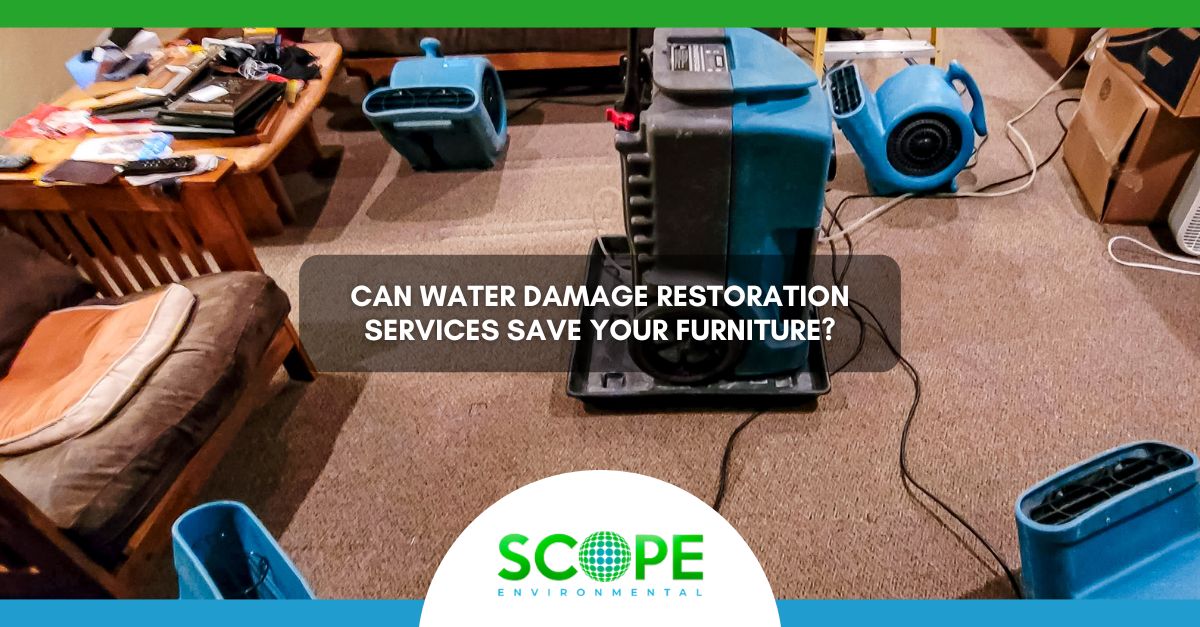
Restoration isn’t just about removing water. It’s about preventing long-term structural damage and health hazards through proper drying, sanitizing, and repair. Professional restoration teams use specialized equipment, including industrial dehumidifiers and air movers, to fully dry affected areas rather than leaving moisture trapped where it can’t be seen.
Scope Environmental understands that water damage can’t wait. Storms don’t follow a schedule, and neither does the damage they cause. That’s why Scope Environmental operates 24/7/365, with a commitment to arrive within an hour of your call. Whether you’re dealing with a flooded basement, a leaking roof, or hidden moisture from a previous storm, fast response makes the difference between a manageable repair and a costly, drawn-out restoration process.
Protect Your Property Before the Next Storm Arrives
El Niño storms bring real risks to Southern California homes and businesses, especially for properties with a history of water damage. Preparing your property, knowing the warning signs of hidden moisture, and having a clear action plan can save you significant time, money, and stress.
If a storm has already caused damage, don’t wait for it to worsen. Contact Scope Environmental for emergency water damage and restoration services, available 24/7/365 with a one-hour response commitment.