Commercial property owners rarely plan for water damage, yet it remains one of the most frequent and expensive problems facing buildings of all sizes. A pipe bursts over a weekend. A roof membrane fails after a storm. A rooftop HVAC unit leaks into the ceiling for months before anyone notices the stain spreading across a drop tile.
By the time water damage becomes visible, it has often already compromised building materials, electrical systems, or indoor air quality. Understanding the early warning signs—and knowing what steps to take next—can mean the difference between a manageable repair and a multi-week closure.
This guide walks through the most common causes of commercial water damage, the signs property managers and business owners should watch for, the risks of delayed action, and what to do when damage is discovered.
What causes water damage in commercial buildings?
Commercial buildings face a wider range of water damage risks than residential properties, largely due to the complexity of their plumbing, roofing, and mechanical systems. The most frequent sources include:
- Plumbing failures: Aging pipes, corroded fittings, and supply line breaks can release water inside walls or beneath flooring for extended periods before detection.
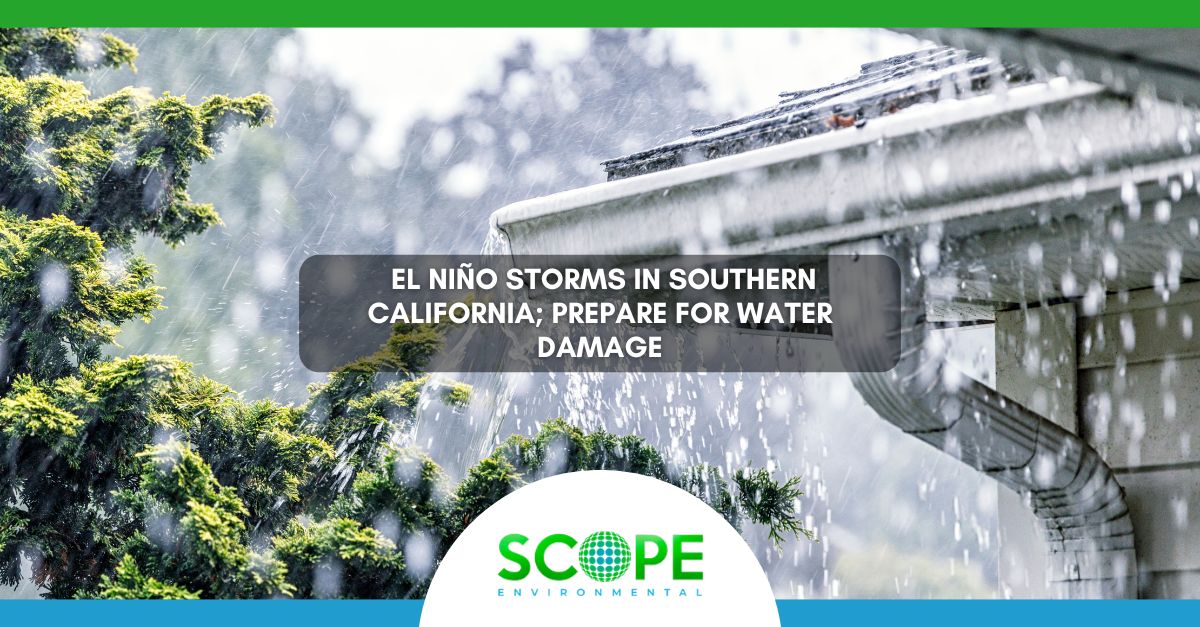
- Roof leaks: Flat and low-slope commercial roofs are especially vulnerable to ponding water, membrane punctures, and flashing failures, particularly after heavy rain.
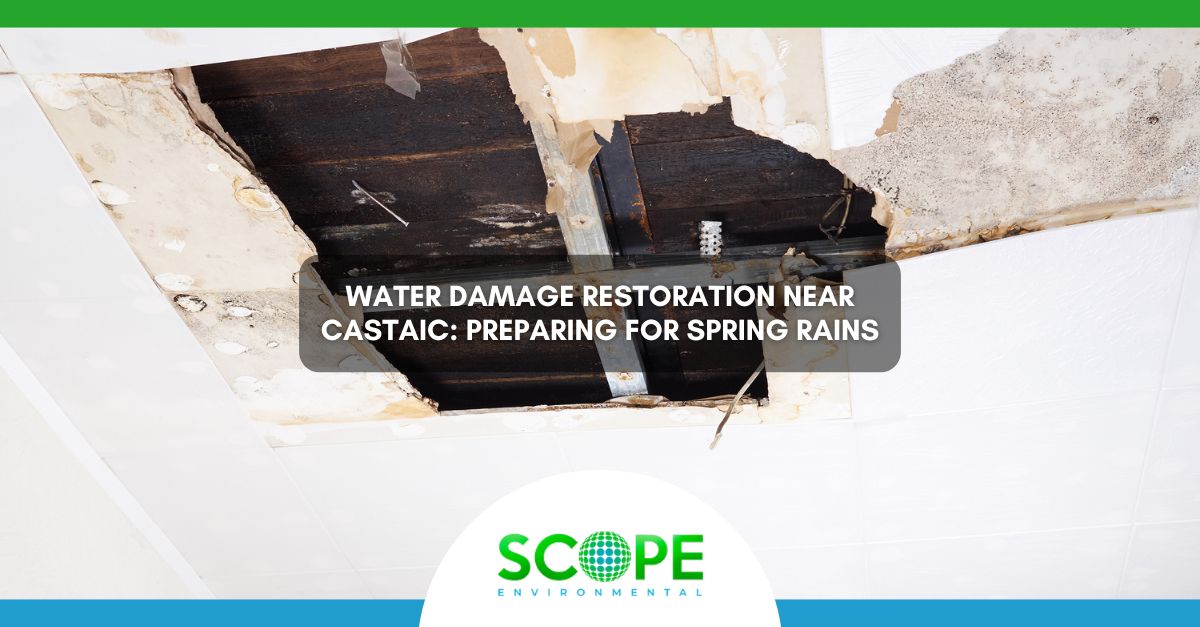
- HVAC system issues: Condensation lines and rooftop units can leak into ceilings and walls, often going unnoticed because they’re located above occupied space.
- Sprinkler system malfunctions: Fire suppression systems can discharge accidentally due to corrosion, freezing, or mechanical failure.
- Foundation and groundwater intrusion: Poor drainage, grading issues, or cracks in a building’s foundation can allow water to seep into basements and lower levels.
Each of these sources carries a different risk profile, but all share one thing in common: the longer water sits undetected, the more damage it causes.
What are the warning signs of water damage in a commercial property?
Water damage doesn’t always announce itself with a flood. Often, it builds gradually and shows up in subtle ways that are easy to dismiss. Property managers should watch for:
Visible staining or discoloration
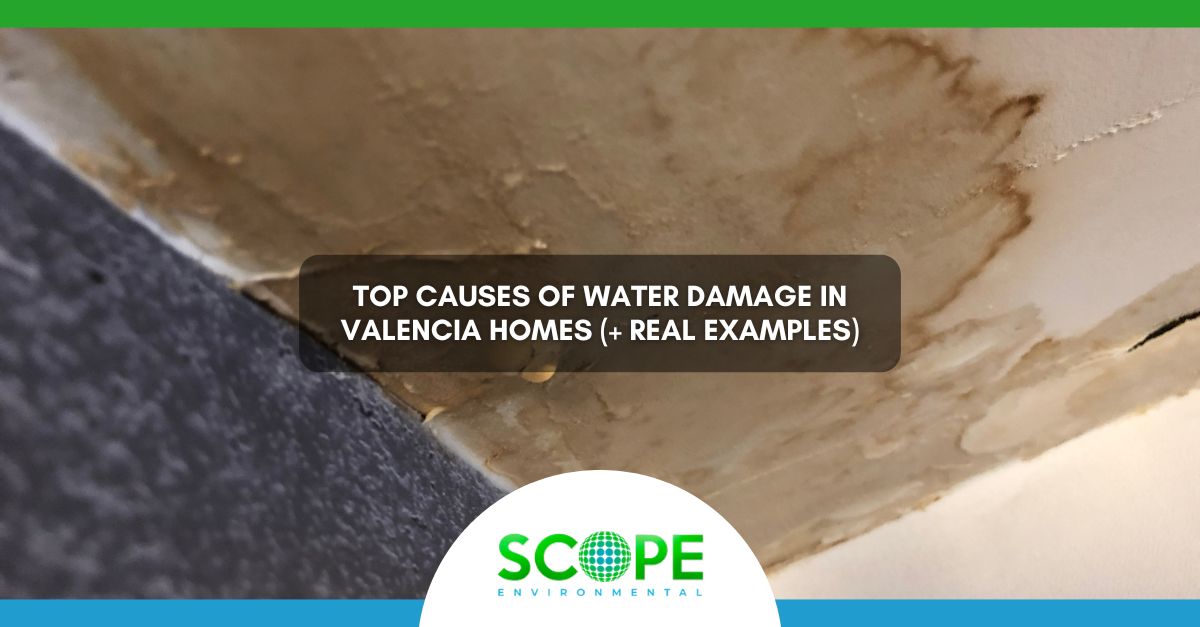
Yellow, brown, or copper-colored stains on ceiling tiles, walls, or flooring are frequently the first visible sign of an active or past leak.
Musty or earthy odors
A persistent musty smell, especially in a specific area of the building, often indicates moisture trapped behind walls or beneath flooring—conditions that encourage mold growth.
Warped, bubbling, or soft flooring
Flooring materials that feel soft underfoot, or that show bubbling and warping, suggest moisture has penetrated the subfloor.
Peeling paint or bubbling drywall
Excess moisture breaks down the bond between paint and drywall, causing it to peel, bubble, or flake.
Unexplained increases in water bills
A sudden spike in water usage without a corresponding change in occupancy or operations can point to a hidden leak somewhere in the plumbing system.
Visible mold growth
Mold is a clear sign that moisture has been present long enough to support biological growth—typically 24 to 48 hours in the right conditions.
Why is water damage riskier for commercial buildings than homes?
Commercial buildings carry distinct risks that make water damage especially costly, for several reasons:
Choose a rapid response if business continuity matters most. Every day a commercial space remains closed for repairs translates to lost revenue, delayed services, or disrupted operations for every business occupying the building.
Choose a thorough structural assessment if the building has multiple tenants or shared systems. Water doesn’t respect unit boundaries. A leak on an upper floor can damage ceilings, walls, and inventory on floors below, affecting tenants who had no direct involvement in the original problem.
Additional risks specific to commercial properties include:
- Structural damage: Water weakens wood framing, corrodes metal supports, and compromises drywall and insulation, potentially creating safety hazards.
- Mold proliferation: Commercial HVAC systems can spread mold spores throughout a building rapidly once contamination begins.
- Electrical hazards: Water intrusion near electrical panels, wiring, or equipment creates fire and shock risks.
- Inventory and equipment loss: Retail stock, documents, and specialized equipment are often irreplaceable or costly to replace.
- Liability concerns: Property owners may face liability if water damage leads to mold exposure, slip-and-fall incidents, or tenant business interruption.
What should you do if you discover water damage in your building?
Taking the right steps quickly can limit the extent of damage and reduce repair costs. Here’s a general sequence to follow:
- Stop the source, if safely possible. Shutting off a water supply valve or isolating an affected area can prevent further water intrusion.
- Document the damage. Take photos and notes of affected areas before cleanup begins, which can support insurance claims.
- Contact your insurance provider. Early notification helps establish a timeline and ensures the claims process starts promptly.
- Schedule a professional assessment. A qualified restoration team can identify the full scope of damage, including moisture that isn’t visible to the naked eye.
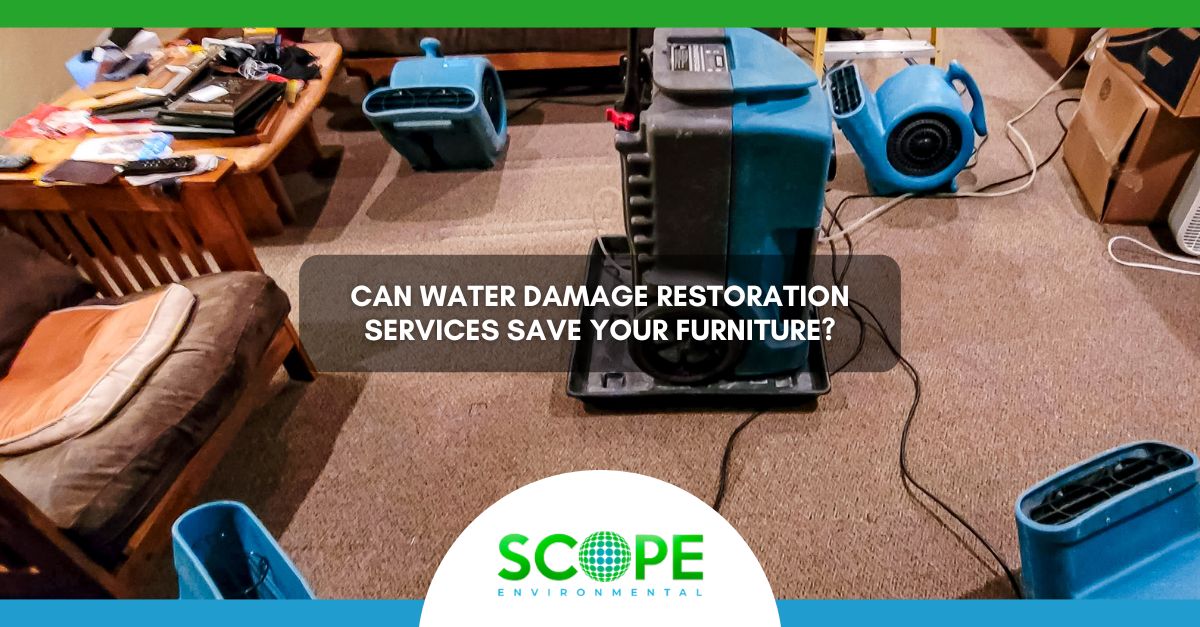
- Begin drying and remediation. Professional-grade equipment removes moisture from building materials far more effectively than standard fans or dehumidifiers, reducing the risk of mold growth.
Scope Environmental provides water damage restoration and property recovery services throughout Los Angeles and Ventura counties. Our team can help assess the situation, determine the appropriate next steps, and coordinate restoration services based on the property’s needs. Whether a business is dealing with a plumbing leak, a roof leak, or a more extensive water intrusion event, getting the damage evaluated promptly is an important step toward protecting the property.
Protecting your property starts with early action
Water damage rarely stays contained to the spot where it first appears. A small ceiling stain today can become a structural issue, a mold problem, or a liability concern within weeks if left unaddressed. Commercial property owners and managers who recognize the early warning signs—and act on them quickly—put themselves in a much stronger position to limit both the cost and disruption of repairs.
If your building shows any of the signs described above, don’t wait for the problem to worsen. Reach out to Scope Environmental for a professional assessment and a clear plan for next steps.