
When a pipe bursts or a fire tears through a kitchen, most property owners focus on the immediate chaos: the water pooling across the floor, the smoke staining the walls, the panic of not knowing what to save. But the real work begins after the initial cleanup crew packs up. What happens between “the damage is contained” and “you’re back home” is a process most people never see coming—and understanding it can make the difference between a smooth recovery and a drawn-out, costly ordeal.
This stage of recovery involves assessment, specialized remediation, careful material selection, and skilled reconstruction- restoration. It’s where a damaged property becomes a livable one again. For property owners navigating this journey for the first time, knowing what to expect can ease a lot of unnecessary stress.
What happens during water damage cleanup and structural drying?
Water damage cleanup starts with extracting standing water, but the real challenge lies underneath the surface. Moisture seeps into drywall, subflooring, and insulation, where it can linger undetected for weeks if not properly addressed. Technicians use moisture meters and infrared cameras to map out exactly where water has traveled, then deploy industrial dehumidifiers and air movers to dry the structure completely.
Skipping or rushing this step is one of the most common mistakes in water damage recovery. Materials that look dry on the surface can still hold enough moisture to warp, rot, or grow mold weeks later. A thorough drying process protects the structural integrity of the property and sets the stage for every repair that follows.
How is sewage cleanup different from standard water damage?
Sewage backups introduce an entirely different level of risk. Unlike clean water damage, sewage contamination involves bacteria, viruses, and other pathogens that pose serious health hazards. This category of water damage—often referred to as “black water”—requires specialized handling, including the removal and disposal of contaminated materials that can’t simply be dried and reused.
Carpeting, drywall, and insulation that come into contact with sewage typically need to be removed entirely rather than cleaned. Technicians also apply antimicrobial treatments to prevent bacterial growth in the surrounding structure. Because of the health risks involved, sewage cleanup should always be handled by trained professionals rather than attempted as a DIY project.
What does fire and smoke damage restoration actually involve?
Fire damage restoration goes well beyond removing charred debris. Smoke and soot travel through a property in ways that aren’t always visible, settling into HVAC systems, wall cavities, and fabrics far from the original fire source. Left untreated, this residue causes a persistent odor and can continue to corrode surfaces long after the flames are out.
The restoration process typically includes cleaning or replacing affected materials, neutralizing smoke odor at its source rather than masking it, and addressing water damage from firefighting efforts. It’s common for a property to need both fire restoration and water damage mitigation simultaneously, which is why coordinated planning between these two processes matters so much.
Why is mold remediation a critical step after water damage?
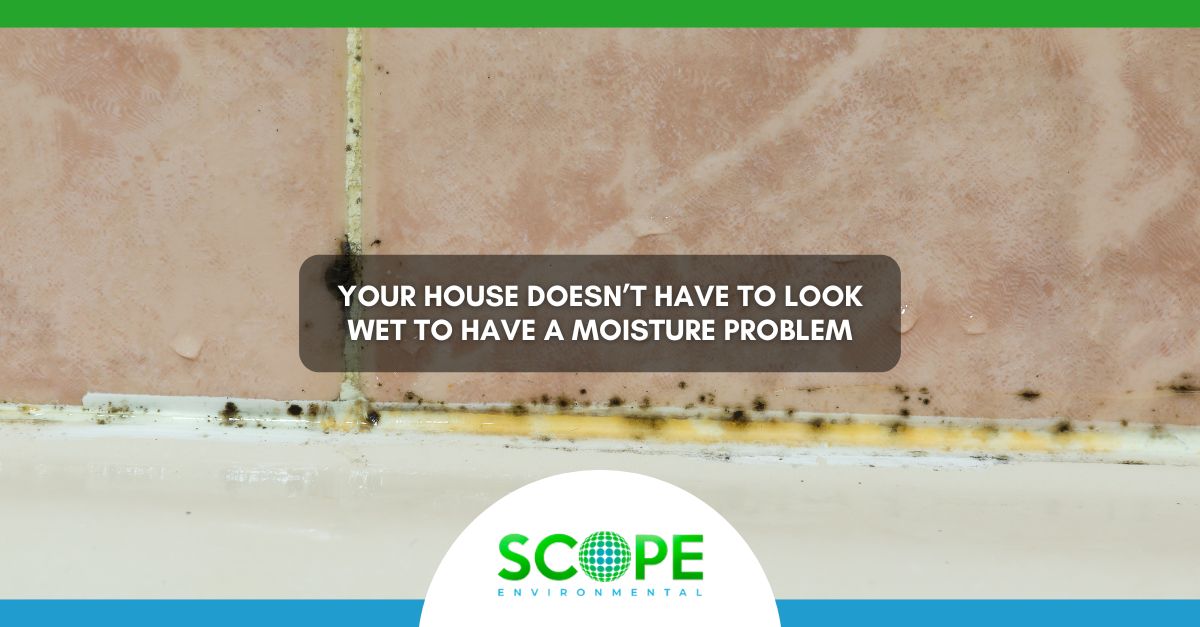
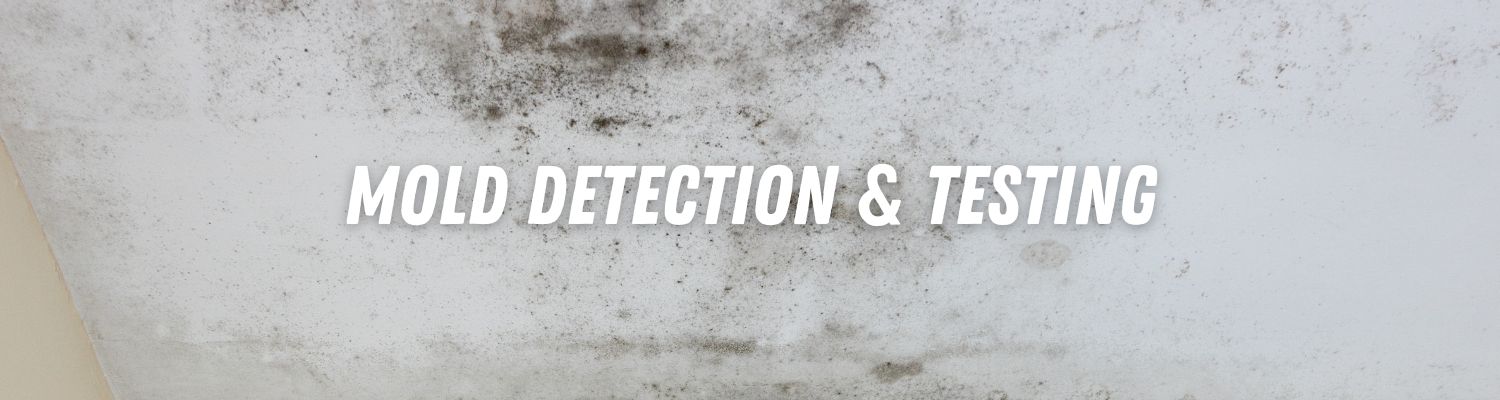
Mold can begin developing within 24 to 48 hours of water exposure, making it a frequent complication after flooding, leaks, or sewage backups. Mold remediation involves identifying the affected areas, containing them to prevent spores from spreading to unaffected parts of the property, and safely removing contaminated materials.
This step isn’t just about appearance. Mold can affect indoor air quality and, in some cases, pose health risks to occupants. Addressing mold early—and thoroughly—helps avoid more extensive, costly remediation down the line.
When is asbestos or lead abatement necessary during restoration?
Older properties often contain materials that require special handling before any demolition or reconstruction can begin. Asbestos, commonly found in insulation, flooring, and ceiling tiles in buildings constructed before the 1980s, becomes dangerous when disturbed, releasing fibers that can cause serious respiratory illness if inhaled. Lead, often found in old paint and plumbing, carries similar risks if not properly contained and removed.
Asbestos abatement and lead abatement both require specific certifications and controlled removal procedures to protect workers and occupants alike. Identifying these hazards early in the restoration process—before demolition begins—helps avoid safety issues and keeps the project on a predictable timeline.
What role does demolition play in the rebuilding process?
Once contaminated or structurally compromised materials have been identified, demolition clears the way for reconstruction. This might mean removing damaged drywall, flooring, or framing that can’t be salvaged after fire, water, or mold exposure. Thoughtful demolition targets only what truly needs to go, which helps control costs and keeps the rebuild timeline realistic.
Demolition also provides an opportunity for a clean reassessment of the space. Once walls and flooring are removed, contractors can get a full look at the structure underneath, revealing any issues that weren’t visible during the initial inspection.
What does the construction and rebuild phase include?
Reconstruction is where a damaged property truly starts feeling like home again. Depending on the extent of the damage, this phase might involve a full range of construction services.
Roofs: Fire and water damage often compromise roofing structures, whether from direct fire exposure, firefighting efforts, or long-term water infiltration. Roof repairs or replacements restore the property’s first line of defense against future weather damage.
Flooring: Water-damaged or fire-affected flooring frequently needs full replacement. This is also an opportunity for property owners to choose materials better suited to moisture resistance or long-term durability.
Kitchens: Kitchens are especially vulnerable to both water and fire damage, given their plumbing, electrical systems, and proximity to cooking appliances. Rebuilding a kitchen often includes new cabinetry, flooring, and appliances, along with updated electrical and plumbing work where needed.
Choosing a single provider to manage both the environmental remediation and the construction rebuild—rather than coordinating multiple separate contractors—helps keep the process efficient and consistent from start to finish.
Getting back to normal, from the first call to the final walkthrough
Recovering from water or fire damage isn’t a single event. It’s a sequence of carefully coordinated steps, each one setting up the next for success. Skipping or rushing any stage, from structural drying to hazardous material abatement, can lead to complications that cost more time and money later.
Scope Environmental provides the construction services needed to get a property back to normal as soon as possible. Scope Environmental’s process begins with a 24/7/365 emergency response and continues through to complete satisfaction with the work performed and re-occupancy of the property. That means property owners aren’t left coordinating multiple vendors during an already stressful time—one team manages the full journey, from emergency mitigation to the final finishes.
If your property has experienced water or fire damage, understanding this process is the first step toward a smoother recovery. Reach out to a restoration team that can guide you through every stage, from initial cleanup to full reconstruction.