
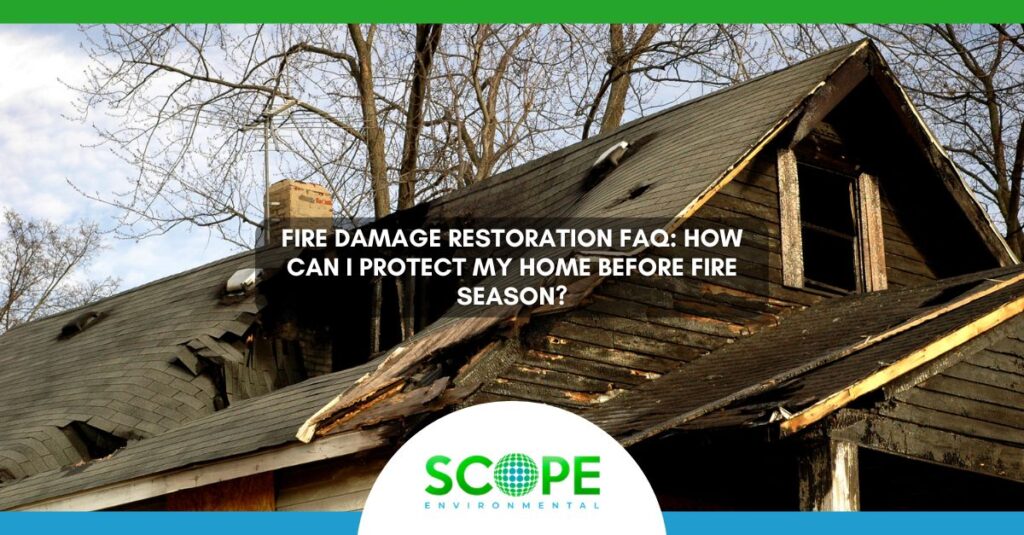
- Create defensible space around your property by removing dry vegetation, leaves, and debris
- Trim tree branches so they are at least 10 feet away from structures
- Keep gutters clean and free of flammable buildup
- Store firewood and combustible materials at a safe distance from your home
- Seal vents and openings with fire-resistant mesh to prevent ember intrusion
- Install and maintain smoke detectors throughout the property
- Check fire extinguishers and replace or recharge as needed
These steps reduce ignition risks and slow the spread of fire, giving you more time to respond and evacuate safely.
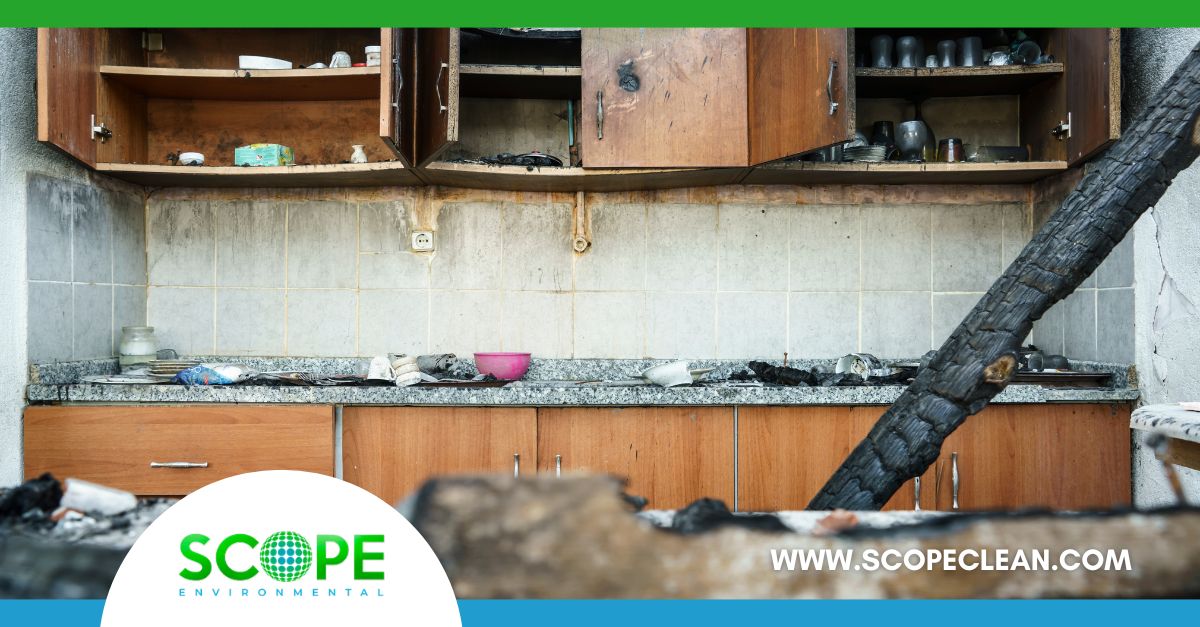
How Can I Fireproof the Exterior of My Home?
Your home’s exterior plays a major role in its vulnerability. Strengthening these areas helps prevent ignition from embers and radiant heat. If possible:
- Use fire-resistant roofing materials such as metal, tile, or Class A shingles
- Replace wood siding with non-combustible alternatives where possible
- Install dual-pane or tempered glass windows to reduce heat breakage
- Add weather stripping around doors to block smoke infiltration
- Maintain fences and gates with fire-resistant materials
We help assess these features as part of a broader property evaluation, identifying weak points that could lead to structural damage during a fire event.
What Should I Do Inside My Home to Prepare?
Interior readiness is just as important as exterior maintenance. Preparing inside your home helps protect your belongings and improves safety during evacuation. Indeed, it may even prove to be beneficial during the fire damage restoration process.
- Develop and practice a fire escape plan with all household members
- Keep important documents in a fireproof and waterproof safe
- Create a digital backup of essential records
- Install carbon monoxide detectors in key areas
- Avoid overloading electrical outlets or using damaged wiring
- Keep flammable liquids stored properly and away from heat sources
By organizing these elements in advance, you reduce chaos during an emergency and improve your chances of minimizing loss.
How Does Fire Damage Affect Indoor Air Quality?
Even if flames never reach your home, smoke and soot can travel significant distances and settle inside. This contamination can impact air quality and create long-term health concerns.
Common Indoor Risks After Fire Exposure
- Fine soot particles embedded in walls, carpets, and furniture
- Lingering odors caused by smoke residue
- Airborne toxins circulating through HVAC systems
- Increased moisture from firefighting efforts lead to mold risks
Our approach to fire damage restoration includes a comprehensive evaluation of indoor environments. We address contamination at its source and restore safe air conditions through professional cleaning and filtration methods.
What Should I Do Immediately After a Fire?
The moments following a fire are critical. Acting quickly helps prevent additional damage and speeds up the recovery process.
- Wait for clearance from local authorities before entering the property
- Document visible damage with photos and videos
- Avoid touching or disturbing soot-covered surfaces
- Contact a restoration professional as soon as possible
- Turn off utilities if they have not already been secured
We provide rapid response services designed to stabilize your property and begin the fire damage restoration process without delay.
How Do You Handle Smoke and Soot Cleanup?
Smoke and soot can cause extensive damage beyond what is visible. Proper cleanup requires specialized techniques and equipment.
Our Cleanup Process
- Inspection to determine the extent of smoke penetration
- Use of professional-grade air scrubbers and filtration systems
- Removal of soot from surfaces using safe, effective methods
- Deodorization to eliminate persistent smoke odors
- Deep cleaning of affected materials and contents
Our smoke damage restoration services are designed to restore your home’s environment and eliminate hidden contaminants that can linger long after the fire is out.
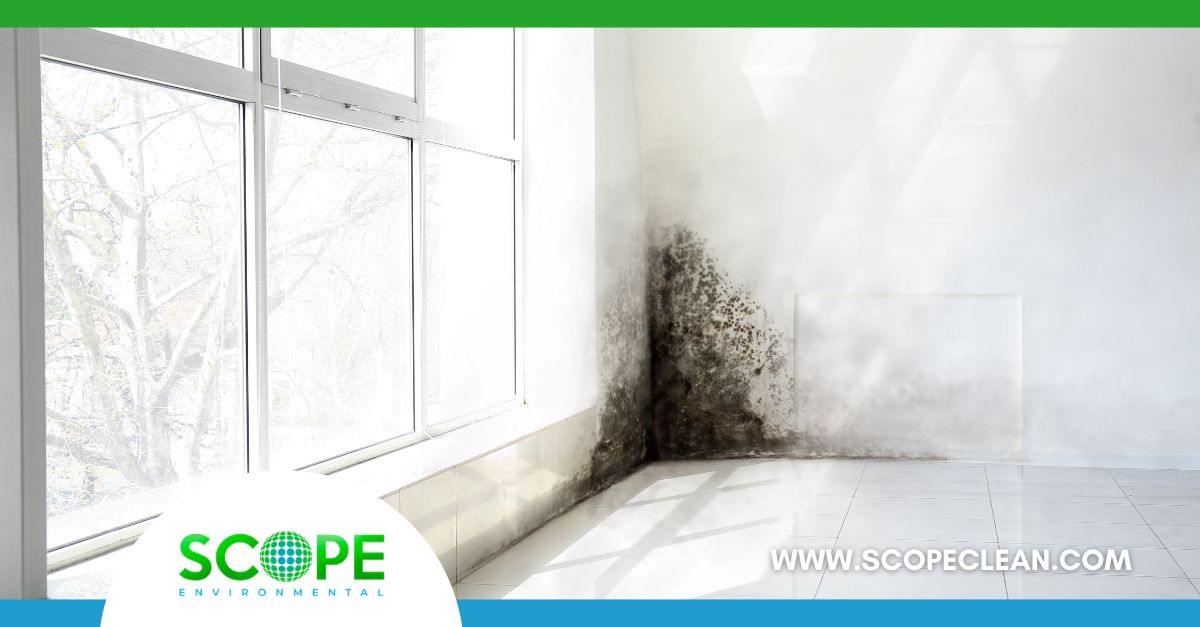
Can Fire Damage Lead to Mold Growth?
Yes, moisture introduced during firefighting efforts can create ideal conditions for mold development. This risk often goes unnoticed until it becomes a larger issue.
- Water used to extinguish flames can saturate walls and flooring
- Damp environments encourage mold spores to spread quickly
- Hidden moisture behind walls can lead to structural deterioration
We address this risk through targeted drying techniques and mold testing to detect potential growth early. If mold is present, we provide mold remediation services to safely remove contamination and restore affected areas.
Do I Need Pro Fire Damage Restoration?
Attempting to clean up fire damage without proper training can lead to incomplete results and ongoing issues. Professional restoration ensures that all aspects of damage are addressed thoroughly.
Benefits of Professional Support
- Advanced equipment for deep cleaning and air purification
- Trained technicians who understand fire and smoke behavior
- Efficient processes that reduce downtime and disruption
- Comprehensive restoration that includes structural and environmental factors
Our team brings experience and precision to every fire damage restoration, helping you recover faster and with greater confidence.
How Can I Protect My Belongings Before Fire Season?
Taking steps to safeguard your personal property can reduce losses and simplify recovery.
- Create a home inventory with photos and descriptions of valuables
- Store irreplaceable items in fire-resistant containers
- Keep emergency supplies ready, including clothing and essentials
- Use surge protectors to prevent electrical fires
Preparation not only protects your belongings but also makes insurance claims easier to manage.
What Should I Know About Insurance After a Fire?
Navigating insurance claims can be overwhelming, especially during an already stressful time. Having support can make the process smoother and more efficient.
- Review your policy to understand coverage limits and requirements
- Document all damage thoroughly before cleanup begins
- Keep receipts for temporary housing or emergency expenses
- Communicate regularly with your insurance provider
We offer insurance help to assist with documentation, communication, and coordination, ensuring your claim process moves forward without unnecessary delays.
How Do You Help Prevent Future Fire Damage?
Prevention doesn’t stop after restoration. Ongoing maintenance and awareness are key to reducing future risks.
Long-Term Prevention Strategies
- Schedule regular property inspections
- Maintain defensible space year-round
- Upgrade materials and systems as needed
- Stay informed about local fire conditions and alerts
Our team provides guidance tailored to your property, helping you stay prepared and protected throughout fire season.
What Makes Early Action So Important?
The sooner you address potential risks, the more control you have over the outcome. Waiting until fire season begins can limit your options and increase vulnerability.
- Early preparation reduces ignition risks
- Preventive measures protect both structure and contents
- Timely response minimizes damage and restoration costs
Fire damage restoration is most effective when combined with proactive planning. By taking steps now, you create a safer environment for your home and everyone in it.
How We Support You Before, During, and After Fire Season
At Scope Environmental, we approach every fire damage restoration project with a focus on prevention, response, and recovery. Our services are designed to address the full scope of fire-related damage while helping you prepare for future risks.
- Pre-season assessments to identify vulnerabilities
- Emergency response to stabilize and secure your property
- Thorough cleaning and restoration to remove damage and contamination
- Ongoing support to maintain a safe and resilient environment
Fire season is unpredictable, but your preparation doesn’t have to be. With the right steps and professional support, you can reduce risks, protect your home, and recover more effectively if a fire occurs.