
Mold under flooring has a sneaky habit of hiding where you least expect it. Underneath your floors, in the dark gaps between subfloor and surface, conditions can be just right for mold to take hold—often without any visible warning. By the time you spot a stain or catch a musty smell, the problem may have been growing for weeks or even months.
Understanding how mold develops beneath flooring helps property owners and managers catch trouble early. In this post, we’ll break down why mold thrives under floors, the warning signs to watch for, and the professional methods used to detect it. At Scope Environmental, dba CBC Cleaning and Construction, we specialize in spotting and resolving these hidden issues for property owners and managers across Southern California.
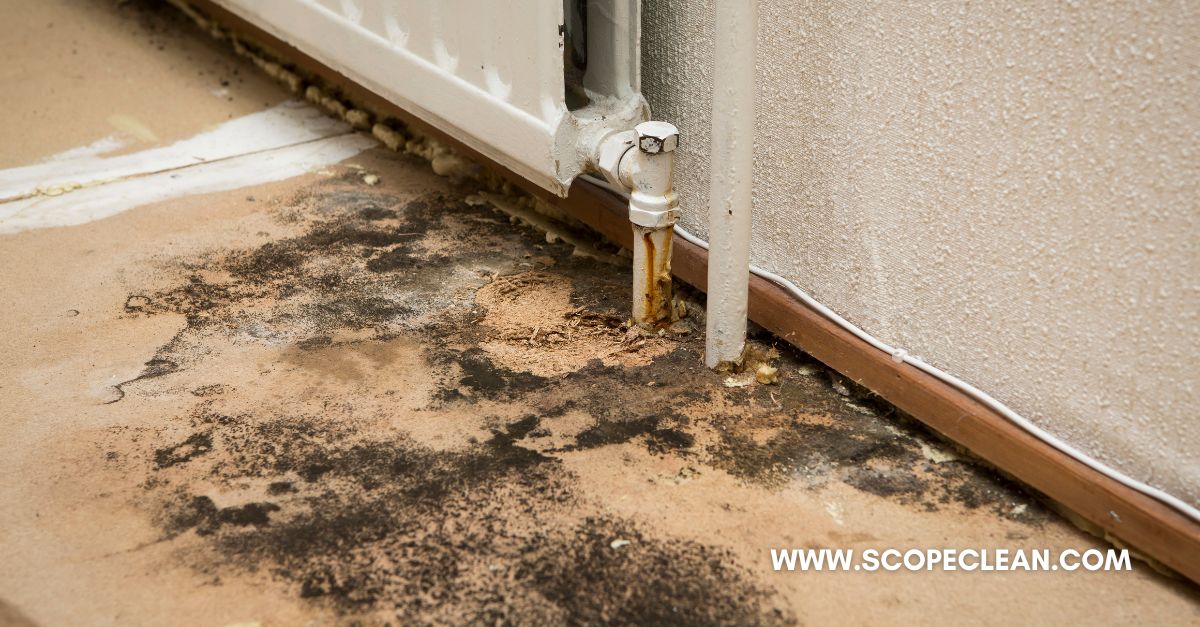
Why Mold Grows Under Flooring
Mold needs three things to flourish: moisture, a food source, and the right temperature. The space beneath your flooring often checks all three boxes.
Moisture is the biggest culprit. Water can seep in from plumbing leaks, foundation cracks, high humidity, or even a single spill that wasn’t fully dried. Once trapped under flooring, that moisture has nowhere to go.
Food sources are everywhere. Mold feeds on organic materials like wood subfloors, carpet padding, adhesives, and the paper backing on certain floor types. These materials soak up water and create a buffet for spores.
Temperature seals the deal. Most homes and buildings sit comfortably in the 60–80°F range that mold loves. Add darkness and poor airflow under the floor, and you have ideal growing conditions.
Common Flooring Types at Risk
Some floors are more vulnerable than others:
- Carpet: The padding and fibers trap moisture and dust, giving mold plenty to feed on.
- Hardwood: Wood is organic and absorbs water, which can lead to warping and hidden growth underneath.
- Laminate: Water that slips between planks can sit on the subfloor for a long time.
- Vinyl and tile: While the surface resists water, moisture can become trapped below, especially if the seal fails.
Warning Signs of Mold Under Your Floors
Mold under flooring rarely announces itself loudly. Still, there are clues that something may be wrong:
- A musty or earthy odor that lingers even after cleaning
- Discoloration or staining on the floor surface
- Warping, buckling, or soft spots in the flooring
- Increased allergy symptoms like sneezing, coughing, or itchy eyes among occupants
- A history of water damage or past leaks in the area
If you notice any of these signs, it’s worth investigating further. Ignoring them often allows the problem to spread.
How We Detect Mold Under Flooring
Finding hidden mold takes more than a quick glance. Professional restoration teams use specialized tools and methods to confirm whether mold is present and how far it has spread.
Moisture Detection
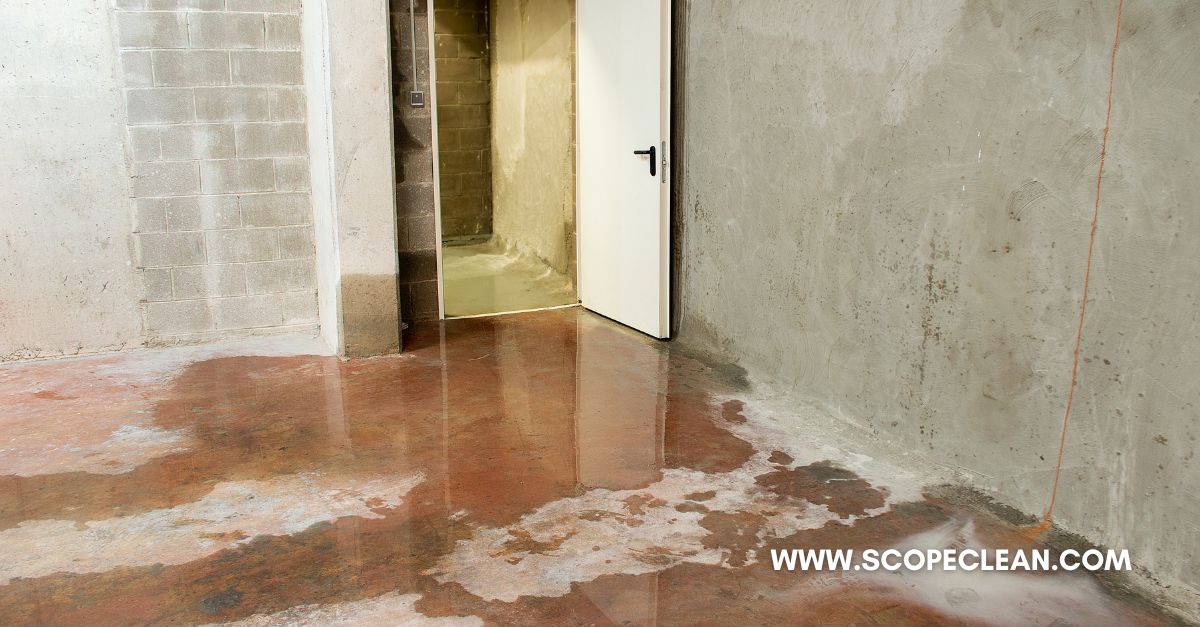
Mold can’t grow without moisture, so finding damp areas is the first step. We use moisture meters and thermal imaging cameras to pinpoint wet spots beneath the surface—without tearing up your floor unnecessarily.
Air and Surface Sampling
When mold is suspected, samples can confirm it. Air samples measure spore levels, while surface samples check specific areas. These tests reveal both the presence and type of mold, which guides the cleanup plan.
Visual Inspection
Sometimes a closer look is needed. Our technicians carefully inspect baseboards, transitions, and access points for signs of growth. In certain cases, a small section of flooring may be lifted to confirm what’s happening underneath.
Professional Assessment
Detection is only part of the job. A trained assessment ties everything together—moisture readings, sample results, and visual findings—into a clear picture of the problem and a plan to fix it.
Why Early Detection Matters
Catching mold early saves money, protects your property, and safeguards the health of everyone inside. Left unchecked, mold can damage structural materials, lower indoor air quality, and trigger respiratory issues. What starts as a small patch under a floorboard can spread to walls, insulation, and beyond.
For property managers, early detection also means fewer tenant complaints and less disruption. A small inspection today can prevent a major renovation tomorrow.
Frequently Asked Questions
How long does it take for mold to grow under flooring?
Mold can begin growing within 24 to 48 hours of moisture exposure. Under flooring, where dampness gets trapped and airflow is limited, growth can accelerate and spread before any visible signs appear.
Can I detect mold under my floor myself?
You can watch for warning signs like musty odors, staining, or warping. However, confirming mold under flooring usually requires professional tools such as moisture meters, thermal imaging, and sampling. DIY inspection often misses hidden growth.
Is mold under flooring dangerous?
Mold can affect indoor air quality and trigger allergy or respiratory symptoms in sensitive individuals. It can also weaken structural materials over time. Addressing it promptly reduces both health and property risks.
Does mold always mean I need to replace my flooring?
Not always. If caught early, the affected area can sometimes be dried, cleaned, and treated without full replacement. The extent of the damage determines the right approach, which is why early detection is so valuable.
Who should I call if I suspect mold under my floors?
Contact a licensed environmental restoration contractor. Scope Environmental, dba CBC Cleaning and Construction, provides professional mold detection and remediation for property owners and managers throughout Southern California.
Protect Your Property from Hidden Mold
Mold under flooring is easy to miss but costly to ignore. By learning the warning signs and acting quickly, you can protect your property, your budget, and the health of everyone who uses the space. The key is early detection backed by professional tools and expertise.
If you suspect mold beneath your floors, don’t wait for the problem to grow. Reach out to Scope Environmental, dba CBC Cleaning and Construction, for a thorough assessment and reliable solutions tailored to property owners and managers across Southern California.