
The best way to prepare is to focus on diversion, early detection, and a clear response plan. With this in mind, at Scope Environmental, our water damage restoration team provides proactive inspections, rapid emergency response, structural drying, and detailed documentation. As a result, your property stays protected before, during, and after heavy rain.
The “Atmospheric River”
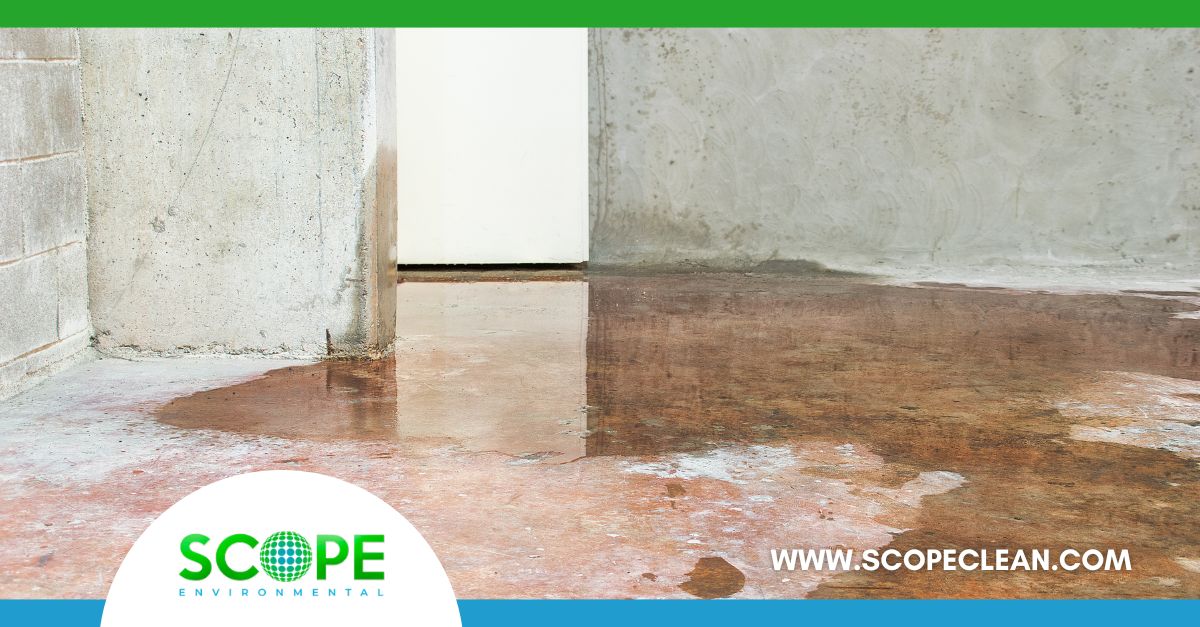
In recent years, spring storms have shifted from scattered showers to concentrated atmospheric rivers. Consequently, these weather events deliver high volumes of rain over short periods, which in turn stress storm drains, saturate soil, and push runoff toward homes and businesses. Because of this, properties face a much higher risk of sudden water intrusion and structural damage.
In communities like Castaic and Santa Clarita, we see:
- Storm drains reaching capacity within minutes
- Street flooding that creeps into garages
- Water intrusion through crawl space vents
- Rapid soil saturation around foundations
When soil expands and contracts, especially in areas known for expansive clay, foundations and slabs are vulnerable. Even small cracks become pathways for water entry. Our water damage restoration approach accounts for these local soil conditions and building styles, helping you prepare before the rain arrives.
Preparation and Immediate Action
What Is the #1 Thing I Can Do to Prevent Spring Water Damage?
The most important step is diversion. Keeping water away from your foundation reduces the chance of intrusion.
We recommend:
- Clearing leaves and debris from gutters before every major storm
- Checking that downspouts extend at least 5–10 feet from the slab
- Confirming that splash blocks direct water downhill
- Ensuring landscaping slopes away from your home
In the Santa Clarita Valley and surrounding areas, soil expansion is common. When water pools near the foundation, pressure increases against walls and slabs. Over time, this leads to cracks and seepage.
Our team helps by:
- Inspecting exterior drainage paths
- Identifying vulnerable entry points around doors and windows
- Advising on improvements that reduce hydrostatic pressure
- Creating a storm-readiness checklist tailored to your property
Preparation is not a one-time task. Instead, it should be viewed as an ongoing process. In fact, it is part of a seasonal maintenance plan supported by professional water damage restoration guidance, helping you stay protected year-round.
How Can I Tell If a “Minor” Spring Leak Is Actually Serious?
A small stain or damp corner can signal a larger issue hidden behind walls or under flooring. In many cases, what appears minor on the surface points to deeper moisture problems. One of the simplest warning signs, for example, is odor.
We call it the musty test:
- After rain, notice any earthy or damp smell indoors
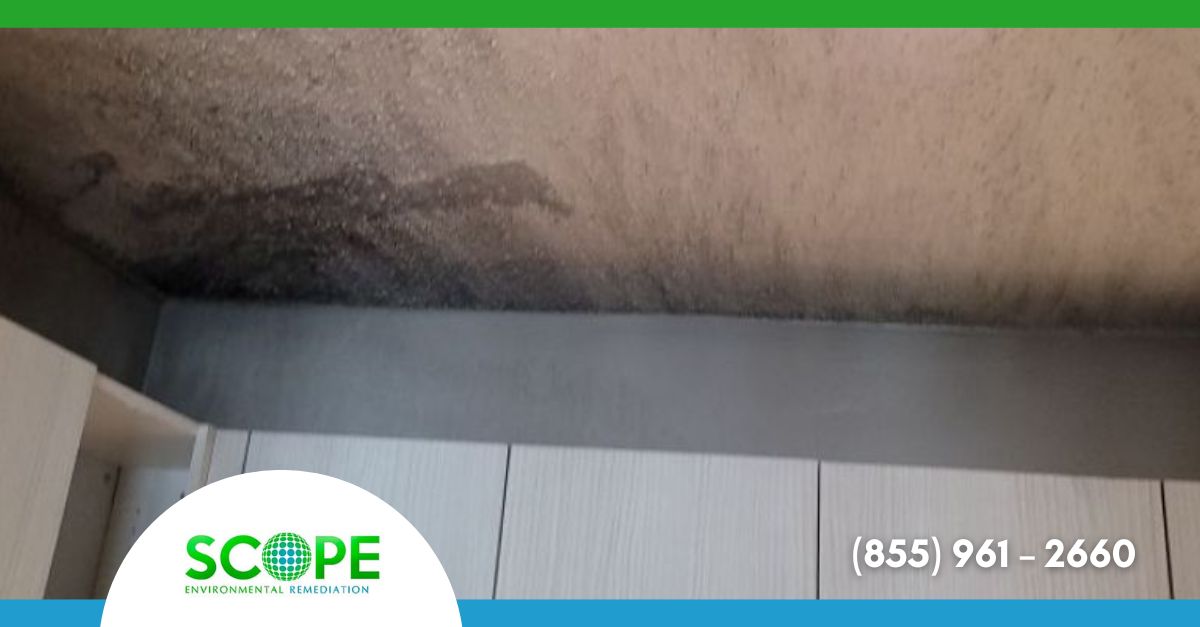
- Check closets, baseboards, and corners for discoloration
- Pay attention to bubbling paint or warped trim
If you detect that smell, moisture is likely trapped in wall cavities or insulation. Trapped water does not dry evenly on its own.
We use:
- Thermal imaging to detect hidden moisture
- Moisture meters to measure saturation levels
- Non-invasive inspection methods to avoid unnecessary demolition
By locating water early, our water damage restoration team can prevent escalation into costly mold remediation projects. In fact, early detection helps stop hidden moisture before it spreads behind walls or under flooring. As a result, acting quickly often means the difference between minor drying and major reconstruction.
The Science of the “Dry Down”: Beyond the Mop
Is a Fan and an Open Window Enough?
In most cases, no. Surface drying and structural drying are very different.
Surface drying:
- Removes visible water
- Dries the top layer of flooring or drywall
- Creates the appearance of normal conditions
Structural drying:
- Extracts moisture from framing
- Removes water from insulation
- Reduces humidity inside wall cavities
- Prevents microbial growth
Modern construction materials complicate the process. For example, engineered wood products and eco-friendly insulation can trap moisture deep inside. Because of this, air movement alone does not effectively pull water from these materials. As a result, professional drying methods become essential to prevent hidden damage and long-term issues.
Our water damage restoration process includes:
- High-capacity extraction equipment
- Commercial-grade dehumidifiers
- Controlled airflow strategies
- Ongoing moisture monitoring
We document each stage to ensure that structural components reach acceptable drying levels before equipment is removed. This method protects both your property and your long-term indoor air quality.
What Are the Three Categories of Water?
Not all water damage is equal. There are actually three categories of water.
Category 1 – Clean Water
- Originates from a broken supply line or rainwater that has not contacted contaminants.
- Lower health risk initially.
- Can degrade into a higher category if not addressed promptly.
Category 2 – Gray Water
- Contains chemicals or minor contaminants.
- May originate from appliances or runoff.
- Requires protective measures during cleanup.
Category 3 – Black Water
- Highly contaminated.
- May include sewage, fertilizers, or animal waste.
- Common during spring flooding when runoff collects debris.
During intense storms, street water often picks up pollutants. What appears to be simple rainwater intrusion can quickly qualify as Category 3.
Our water damage restoration team uses appropriate containment, protective equipment, and sanitation procedures to address contaminated water safely. In addition, we never treat floodwater casually. Instead, we follow strict safety protocols to minimize health risks and prevent cross-contamination. As a result, safety and thorough cleaning remain central to how we serve properties throughout Los Angeles and Ventura Counties.
Immediate Steps to Take After Spring Flooding
If water enters your property:
- Shut off electricity in affected areas if safe to do so
- Avoid walking through standing water
- Remove valuable items from wet zones
- Call a professional restoration company immediately
Time matters. The first 24–48 hours are critical.
We respond with:
- Rapid on-site assessment
- Water extraction
- Strategic drying setup
- Clear communication about next steps
Our goal is to stabilize your property quickly, limit secondary damage, and begin the documented drying process right away.
Insurance and Documentation
Will My Standard Policy Cover Spring Flooding?
Coverage depends on the source of the water.
Most standard policies cover:
- Sudden and accidental damage
- Pipe bursts
- Appliance malfunctions
However, rising groundwater or external flooding often requires a separate rider.
This distinction can be confusing:
- Water from inside the home is usually covered
- Water entering from outside may not be
- Policy language varies
We encourage property owners to review their coverage before storm season. Knowing your policy helps reduce stress during an emergency.
How Do Our Water Damage Restoration Pros Support Your Claim?
Restoration is more than drying. It also includes detailed documentation that insurance carriers expect.
Our process includes:
- Moisture mapping
- Photographic records before and after drying
- Daily monitoring logs
- Clear reporting of affected materials
Adjusters require clear evidence that damage occurred and that proper drying methods were used. Therefore, we maintain thorough, detailed documentation throughout every stage of the process. As a result, our records support faster claim approval and provide complete transparency for both clients and insurers.
When clients need insurance help, we communicate directly with adjusters, answer technical questions, and provide the data necessary to move the process forward. In addition, our extensive experience with water damage restoration across Southern California allows us to anticipate common documentation requests. As a result, we respond quickly, reduce delays, and help streamline the entire claims process for our clients.
Preventative Services That Strengthen Storm Readiness
Preparation is not only about reacting to damage. It also involves identifying vulnerabilities before storms hit.
We assist with:
- Pre-season property evaluations
- Moisture assessments in crawl spaces
- Identification of previous water intrusion signs
- Recommendations for improved drainage
By partnering with our team before heavy rains arrive, you reduce the risk of emergency situations. Proactive water damage restoration planning strengthens your property against unpredictable weather.
Integrated Restoration Services
Storms can cause more than water intrusion. Electrical issues and other hazards sometimes follow flooding.
In addition to our core drying and cleanup services, we also provide:
- Mold remediation when microbial growth is detected
- Smoke damage restoration if water damage is linked to fire suppression efforts
- Fire damage restoration for properties affected by combined fire and water incidents
When storms and other emergencies intersect, having one coordinated team simplifies recovery.
Serving Los Angeles and Ventura Counties
From hillside properties to coastal communities, each region presents unique drainage and soil challenges.
We understand:
- Expansive soils in the Santa Clarita Valley
- Coastal humidity conditions in Ventura County
- Urban runoff patterns in Los Angeles neighborhoods
This regional experience shapes our water damage restoration strategies. As a result, we tailor every drying plan to the specific structure, surrounding environment, and severity of the intrusion. By doing so, we ensure a faster, more efficient recovery while minimizing long-term damage.
Remember: often, restoration from water damage follows fire damage restoration. Why? Well, for many reasons, but a prominent one: because firefighters may use heavy water to wipe out the fire, and all that water can take a toll on your home.
Pre-Spring Storm Checklist
To stay prepared:
- Clean gutters before forecasted storms
- Extend downspouts away from foundations
- Inspect seals around windows and doors
- Store valuables off garage floors
- Review your insurance coverage annually
- Keep emergency contact information accessible
Preparation reduces panic and shortens recovery time.
When heavy rain hits Southern California, readiness makes all the difference. That’s why focusing on diversion, early detection, proper drying, and clear documentation is essential to protecting your property from costly damage. With the right plan in place, you can reduce risks and respond quickly when storms strike. At Scope Environmental, our water damage restoration team stands ready to help you prepare, respond, and recover with professionalism and care.