
If you are noticing unexplained moisture, persistent odors, visible staining, or sudden changes in surfaces or air quality, these are clear indicators that water intrusion may already be affecting your property. Should that be the case, professional water damage restoration is likely needed.
From slow plumbing leaks to storm-related flooding, water can spread behind walls, beneath flooring, and into structural materials quickly, making early identification critical to preventing larger, more costly problems.
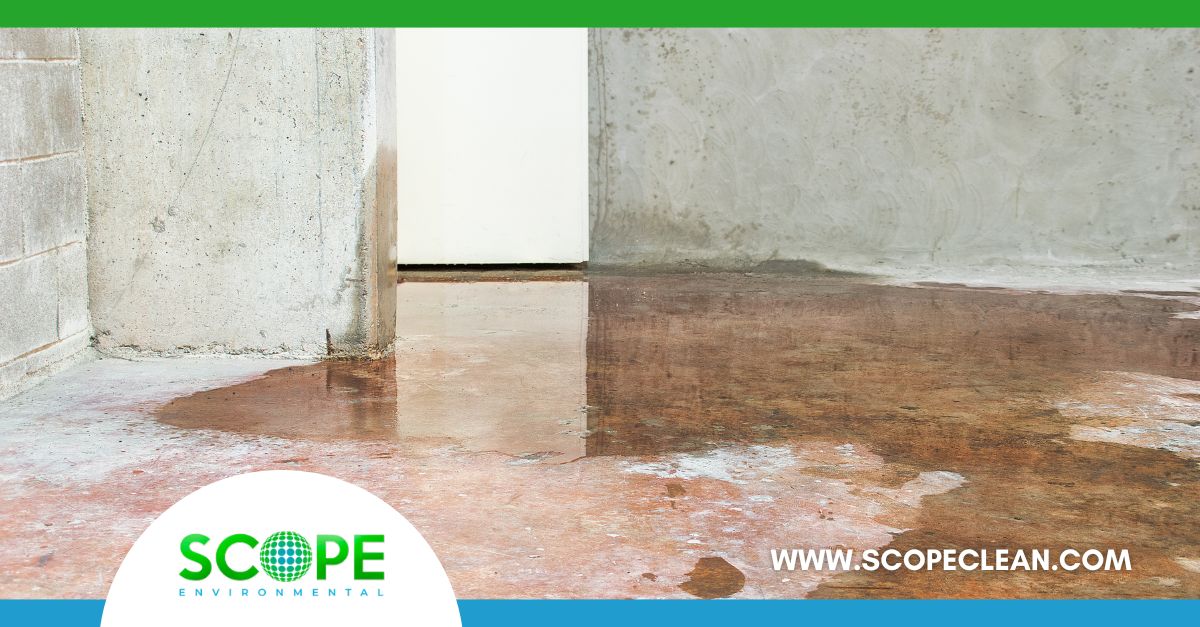
How Water Damage Develops in Southern California Homes
Properties throughout SoCal face unique water-related risks. Aging plumbing systems, slab foundations, coastal humidity, and seasonal storms all contribute to conditions where moisture can accumulate unnoticed. Even a small leak can lead to widespread saturation over time, especially when water travels through drywall, insulation, and framing.
Water damage does not always appear as standing water. In many cases, it presents subtle changes that homeowners dismiss or attribute to normal wear.
Indeed, as Consumer Reports explains, “fixing water damage is often costly, time-consuming, and time-sensitive to prevent mold growth and wood rot. And the longer we wait, the worse (and more expensive) the problem can get.”
Here at Scope Environmental Services, our service focuses on identifying both obvious and hidden indicators so that restoration can begin before secondary damage occurs.
Visible Changes on Walls, Ceilings, and Floors
One of the earliest and most common warning signs of water damage is a change in the appearance of interior surfaces. These changes often worsen gradually, making them easy to overlook at first.
Common surface indicators include:
- Yellow, brown, or copper-colored stains on ceilings or walls
- Bubbling, blistering, or peeling paint
- Warped drywall or soft, spongy wall sections
- Sagging ceilings, especially below bathrooms or kitchens
- Cracked or separating seams in drywall
- Buckling, cupping, or crowning hardwood floors
- Loose or lifting tile with damp grout lines
- Carpet that feels wet or remains damp after cleaning
These signs typically indicate ongoing moisture exposure. When left untreated, the affected materials can weaken and require extensive replacement during water damage restoration.
Persistent Musty or Damp Odors Indoors
Smell is often one of the first senses to detect water damage, particularly when moisture is hidden. A musty, earthy, or damp odor suggests water has been present long enough to affect building materials.
Odors may be strongest in:
- Bathrooms with limited ventilation
- Basements or crawl spaces
- Laundry rooms
- Closets located near plumbing lines
- Rooms with exterior walls exposed to wind-driven rain
These smells are rarely temporary. Even if surfaces appear dry, odor usually means moisture remains trapped within walls or flooring. Our service uses professional drying and deodorization methods to fully address the source, not just the smell.
Unexpected Increases in Utility Bills
A sudden spike in your water bill without a change in usage often points to a hidden leak. These leaks may occur inside walls, beneath slabs, or in areas not easily visible.
Warning signs related to plumbing leaks include:
- Higher-than-normal water bills
- Sound of running water when fixtures are off
- Reduced water pressure
- Warm spots on floors from leaking hot water lines
- Damp areas near toilets, sinks, or water heaters
Hidden leaks can cause extensive damage before visible symptoms appear. Prompt action allows our service to limit how far water spreads and reduces the scope of water damage restoration needed.
Mold Growth and Health-Related Symptoms
Moisture creates ideal conditions for microbial growth, which can begin developing within 24 to 48 hours. While visible growth is an obvious red flag, health symptoms may appear even before mold becomes noticeable.
Potential indicators include:
- Dark spots on walls, ceilings, or baseboards
- Discoloration around vents or air returns
- Increased allergy symptoms indoors
- Persistent coughing or throat irritation at home
- Headaches or sinus discomfort that improve when leaving the property
When water damage is suspected, mold testing helps confirm whether moisture has led to contamination. Contacting professionals for water damage restoration promptly can be essential to preventing further spread and protecting indoor air quality.
Warping, Swelling, and Structural Changes
Water intrusion affects more than surface materials. Structural components such as wood framing and subflooring can absorb moisture and lose integrity over time.
Structural warning signs include:
- Doors or windows sticking or no longer closing properly
- Swollen baseboards or trim
- Cracking sounds from floors or walls
- Uneven flooring or soft spots underfoot
- Separation between walls and ceilings
These issues often indicate prolonged moisture exposure. Our service evaluates affected areas thoroughly to ensure all compromised materials are addressed during restoration.
Standing Water or Repeated Moisture Intrusion
Any instance of standing water inside a property should be taken seriously, even if it appears minor. Water that pools repeatedly suggests drainage issues, plumbing failures, or compromised building materials. Common causes include:
- Overflowing toilets or sinks
- Appliance failures from washing machines or dishwashers
- Roof leaks during rain
- Poor exterior drainage
- Slab leaks beneath the foundation
Repeated exposure accelerates deterioration and increases the likelihood of secondary damage. Professional water damage restoration helps stop the source and restore affected areas correctly.

Damage Following Storms or Firefighting Efforts
After severe weather or emergency response events, water damage may not be immediately obvious. Firefighting efforts often involve large volumes of water that soak into walls, flooring, and structural components.
In these situations, water damage may necessitate restoration services for smoke damage as well as fire damage and more.
Even if flames did not reach certain areas, water used to control the fire can cause significant hidden damage. Our service addresses moisture intrusion as part of a coordinated restoration approach when fire-related incidents occur.
Peeling Materials and Deteriorating Finishes
Materials designed to protect surfaces can fail when exposed to moisture. When these protective layers deteriorate, underlying materials become vulnerable.
Watch for:
- Peeling wallpaper
- Flaking paint near windows or doors
- Rusting metal fixtures or fasteners
- Crumbling drywall edges
- Disintegrating wood trim
These issues often signal water penetration from the exterior or condensation problems indoors. Identifying the source allows restoration to focus on both repair and prevention.
When Water Damage Is Not Visible
Some of the most serious cases involve damage hidden behind walls or under flooring. These situations often require professional assessment tools to detect.
Hidden water damage indicators include:
- Unexplained humidity indoors
- Cold or damp-feeling walls
- Persistent condensation on windows
- Staining that reappears after repainting
- Odors without visible mold or moisture
Our service uses industry-standard moisture detection methods to locate and address these concealed issues before they escalate.
How Our Water Damage Restoration Process Helps
Once signs of water damage are identified, timely action is essential. Our approach focuses on minimizing disruption while restoring affected areas efficiently and thoroughly. We handle the entire process, from initial assessment through drying, cleanup, and repairs.
Key steps in our restoration process include:
- Locating and stopping the source of water
- Removing standing water and excess moisture
- Drying affected materials using professional equipment
- Cleaning and sanitizing impacted areas
- Addressing damaged materials safely and efficiently
This comprehensive approach helps reduce long-term damage and protects the structure of your property.
Supporting You Through the Insurance Process
Water damage restoration often involves insurance claims, which can be confusing and time-consuming during an already stressful period. We provide insurance help by documenting damage, explaining the restoration scope, and working directly with adjusters when needed.
This support allows you to focus on returning to normal while ensuring the restoration process moves forward smoothly.
Serving Los Angeles and Ventura Counties With Experience
Properties throughout Los Angeles and Ventura Counties vary widely in age, construction type, and environmental exposure. Our service is tailored to these regional conditions, allowing us to address water damage effectively across residential and commercial properties.
By recognizing early warning signs and acting promptly, property owners can avoid extensive damage and prolonged disruption. Professional water damage restoration ensures that affected areas are properly dried, cleaned, and restored, helping protect both the structure and the people who rely on it every day.
If you are seeing signs of water intrusion or suspect hidden damage, reaching out sooner rather than later can make a significant difference in the outcome.