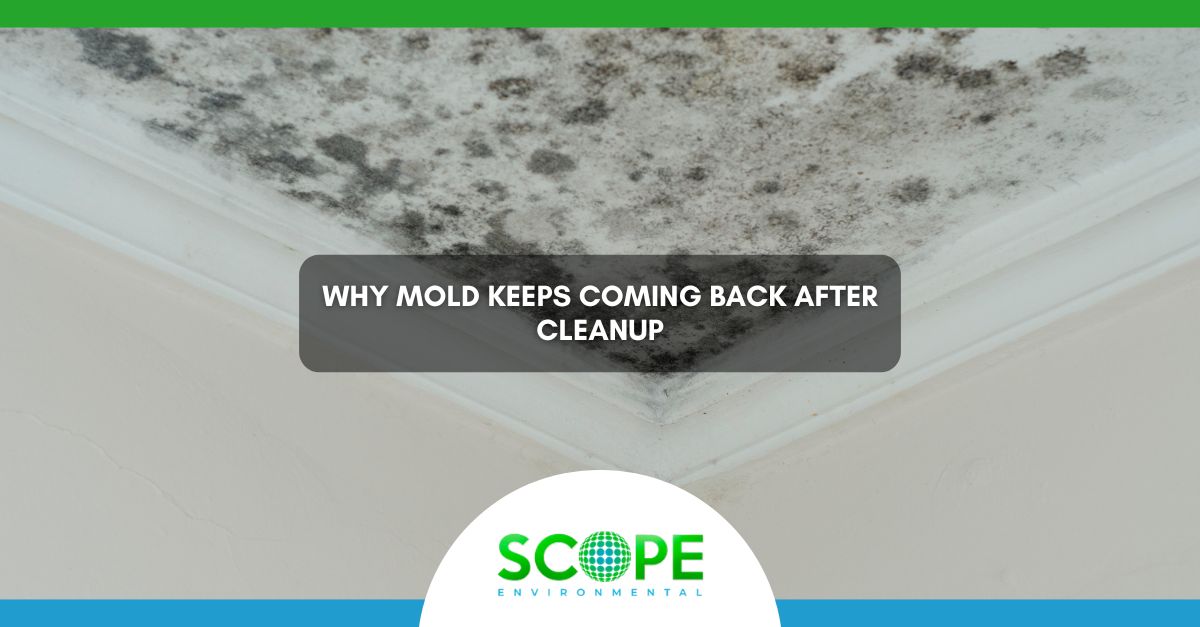
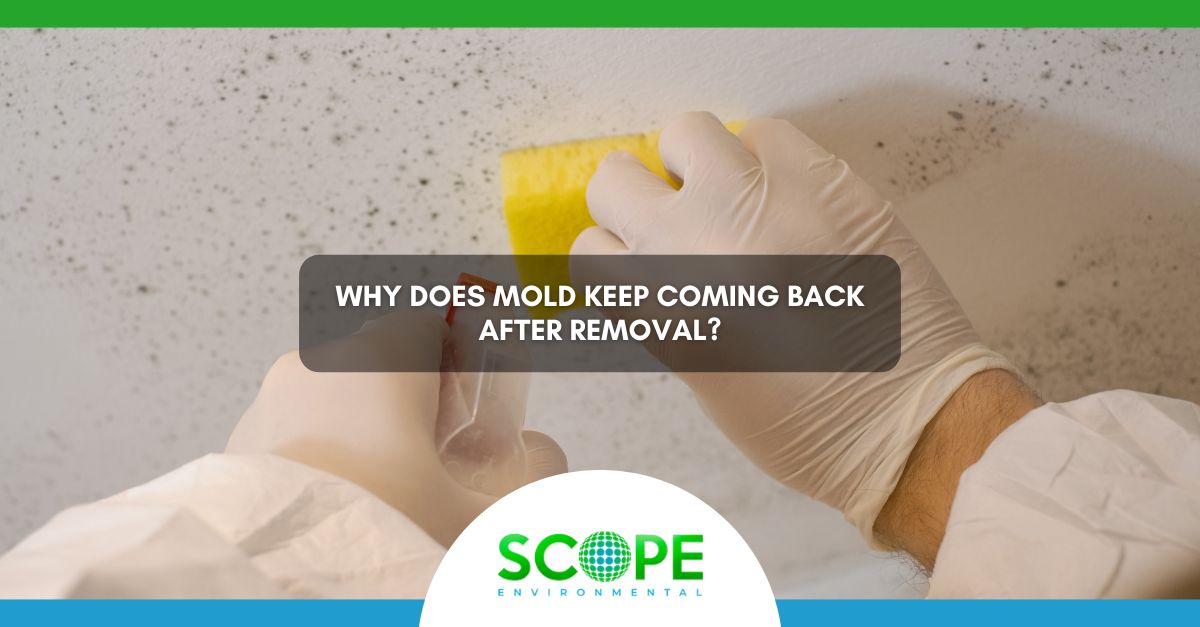
You scrubbed it off the bathroom tiles. You sprayed it with bleach. You thought you’d won. Then, a few weeks later, those dark spots crept back—same spot, same smell, same frustration. If this sounds familiar, you’re not alone. Mold removal is one of the biggest challenges homeowners face, and the reason it keeps returning often has nothing to do with cleanliness.
Understanding why mold comes back is the first step to successful mold removal and actually stopping it. This post breaks down the root causes of recurring mold, what it can do to your health, and when it’s time to call in a professional.
What Causes Mold to Keep Coming Back?
Mold doesn’t grow randomly. It returns because the conditions that allowed it to thrive in the first place were never fully addressed. Surface cleaning removes visible growth, but it rarely eliminates the underlying problem.
Here are the most common reasons mold keeps reappearing:
Persistent Moisture and Humidity
Mold needs three things to grow: a food source (like drywall, wood, or grout), oxygen, and moisture. Of the three, moisture is the only one you can realistically control. If your bathroom, basement, or kitchen consistently stays above 60% relative humidity, mold spores—which are always present in the air—will find a surface and settle in.
Leaky pipes, poor ventilation, and condensation on windows or walls are frequent culprits. Unless these moisture sources are fixed, mold removal is only ever temporary.
Incomplete Removal
Bleach and over-the-counter sprays are effective at removing the color of mold, but they don’t always penetrate porous surfaces like drywall, grout, or wood. Mold that grows into a surface rather than just on top of it requires a much more thorough remediation process. When the root structure (called hyphae) is left behind, regrowth is almost inevitable.
Hidden Mold Growth
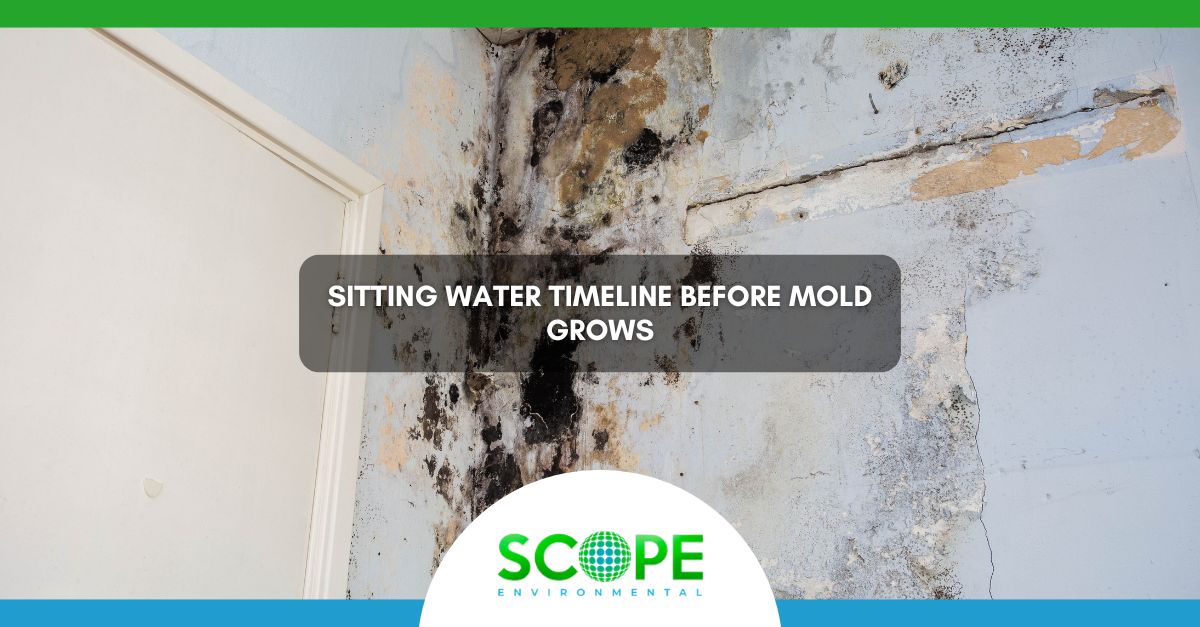
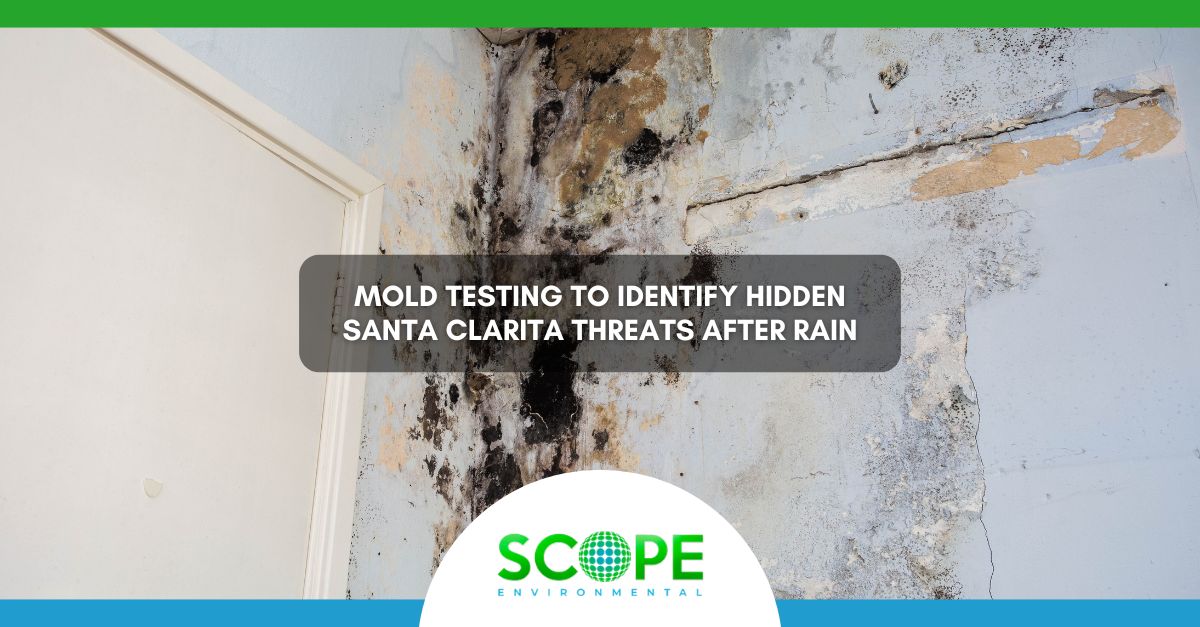
Here’s something many homeowners don’t realize: the visible patch of mold is often just a fraction of the total growth, making complete mold removal much more difficult. Mold frequently thrives behind walls, under flooring, inside HVAC systems, and in ceiling cavities—places that a surface wipe-down will never reach.
Mold also tends to give off a strong, musty odor before it becomes visible. If your home smells damp or stale in a particular area, there’s a good chance mold is already growing somewhere out of sight.
Can Mold Make You Sick?
The short answer is yes—depending on the type of mold, the extent of the growth, and your individual sensitivity.
Common symptoms linked to mold exposure include nasal congestion, sneezing, coughing, itchy eyes, skin irritation, and worsened asthma. For most healthy adults, minor mold exposure causes mild, allergy-like symptoms that resolve once the source is removed. However, prolonged exposure—or exposure in an enclosed space with significant mold growth—can lead to more serious respiratory issues.
What About Black Mold?
Black mold (Stachybotrys chartarum) gets a lot of attention, and with good reason. It produces mycotoxins, which are toxic compounds that can cause more severe symptoms including chronic fatigue, headaches, and in some cases, neurological effects. However, it’s worth noting that not every dark-colored mold is Stachybotrys, and many non-toxic mold species can appear black or dark green.
If you suspect black mold in your home, avoid disturbing it. Disturbing a mold colony can release spores into the air, spreading the problem further and increasing your exposure. Professional testing and removal is the right call here.
Who Is Most at Risk?
While mold can affect anyone, certain groups are particularly vulnerable:
- Infants and young children
- Elderly individuals
- People with asthma or other respiratory conditions
- Those with compromised immune systems
If anyone in your household falls into these categories, addressing mold quickly and thoroughly is especially important.
Should You Remove Mold Yourself or Hire a Professional?
DIY mold removal can work for very small, surface-level patches—think a few square inches of mildew on a tile. But for anything larger, anything that keeps coming back, or any growth you can’t fully locate, professional remediation is strongly worth considering.
Here’s why professional removal makes a difference:
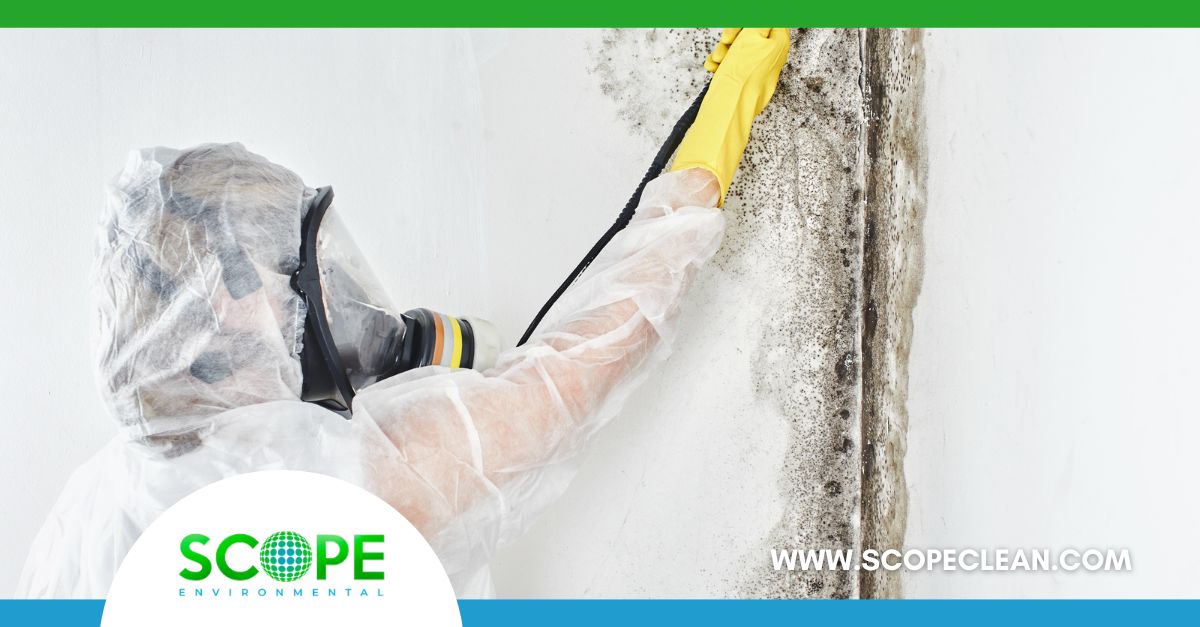
Proper containment: Professionals set up containment barriers to prevent mold spores from spreading to other areas of the home during removal.
Thorough treatment: Certified remediation specialists don’t just clean the surface—they treat the affected material, address moisture sources, and determine whether materials like drywall or insulation need to be replaced.
Verification: After remediation, professionals can test the air and surfaces to confirm that mold levels are back within normal ranges.
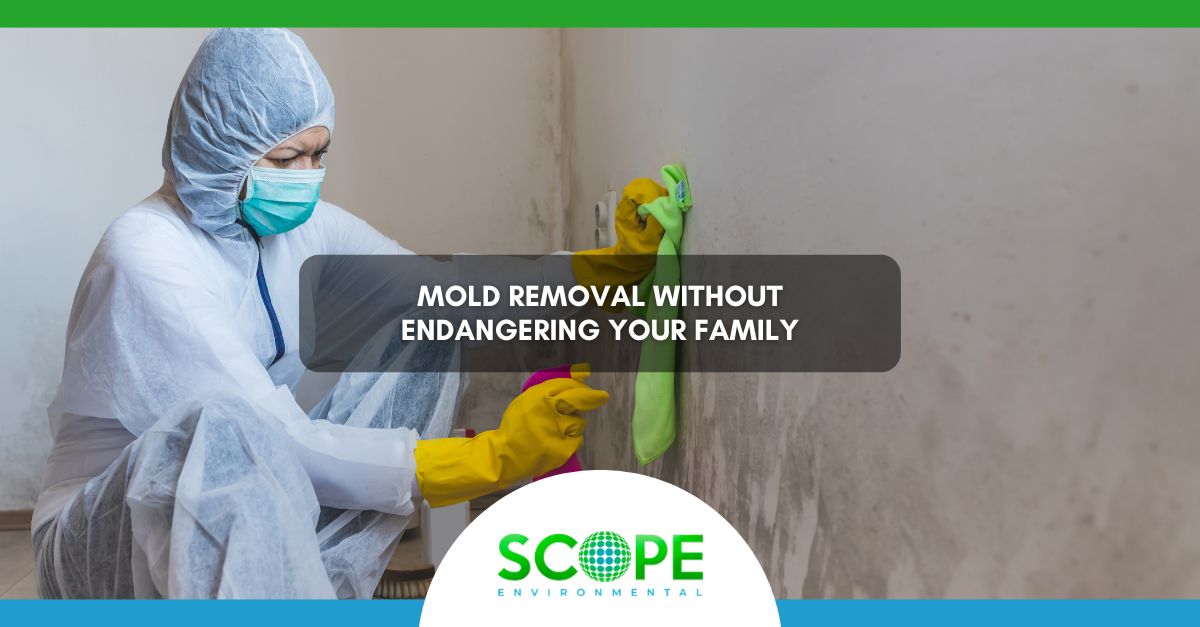
Safety: Removing large amounts of mold without proper protective equipment and technique can expose you to a high concentration of spores. Professionals handle this with the appropriate gear and protocols.
If you notice or suspect mold growing in your home, contacting a certified firm like Scope Environmental is a smart first step. Scope Environmental is an IICRC Certified firm that adheres strictly to IICRC Standards, meaning their remediation process meets rigorous industry benchmarks. They provide mold and black mold removal with thermal imaging to detect hidden moisture behind walls and floors.
How to Prevent Mold From Returning
Once mold removal has been completed, prevention comes down to controlling moisture and improving airflow. Here are practical steps you can take:
- Fix leaks promptly: Even a slow drip under a sink can create enough moisture for mold to take hold within 24–48 hours.
- Improve ventilation: Use exhaust fans in bathrooms and kitchens, and make sure dryers vent to the outside.
- Monitor humidity: Keep indoor humidity between 30–50%. A dehumidifier can help in consistently damp spaces like basements.
- Dry wet areas quickly: Towels, bath mats, and any surfaces exposed to water should dry fully within a day or two.
- Inspect regularly: Check under sinks, around windows, and in corners of lower-level rooms for early signs of moisture or discoloration.
At Scope Environmental, prevention doesn’t stop at removal. They provide customers with tailored prevention methods and tips to help ensure mold doesn’t return after remediation.
Stop Treating the Symptom—Address the Cause
Recurring mold is almost always a sign of an unresolved moisture problem. Scrubbing the surface might clear it temporarily, but without fixing what’s feeding the growth, it’s only a matter of time before it’s back.
If you keep losing the same battle, it’s worth getting a professional evaluation. A qualified mold specialist can identify moisture intrusion points, locate hidden growth, and carry out remediation that actually holds. Trust your nose too—that musty smell is often your first and earliest warning sign.
Scope Environmental is available for thorough mold evaluations, including thermal imaging to detect what standard inspections might miss. If you’re dealing with mold that won’t quit, reach out to their team and get a proper assessment before the problem grows any further.