Experiencing a fire in your home is deeply traumatic. Once the flames are extinguished, a lingering, silent threat often remains. Smoke damage spreads far beyond the immediate burn area, infiltrating walls, furniture, and ventilation systems. Homeowners frequently wonder if they can simply open the windows, clean the visible soot, and continue living in the house while repairs take place.
Deciding whether to stay or leave requires careful consideration of health risks, the extent of the damage, and expert evaluations. Smoke residue is highly toxic, and exposure can lead to severe medical complications. Understanding the nature of smoke damage is essential for protecting yourself and your loved ones.
This guide breaks down the hidden dangers of smoke residue, explores the reasons for and against staying, and helps you navigate the decision-making process during the critical aftermath of a fire.
Understanding the Health Concerns
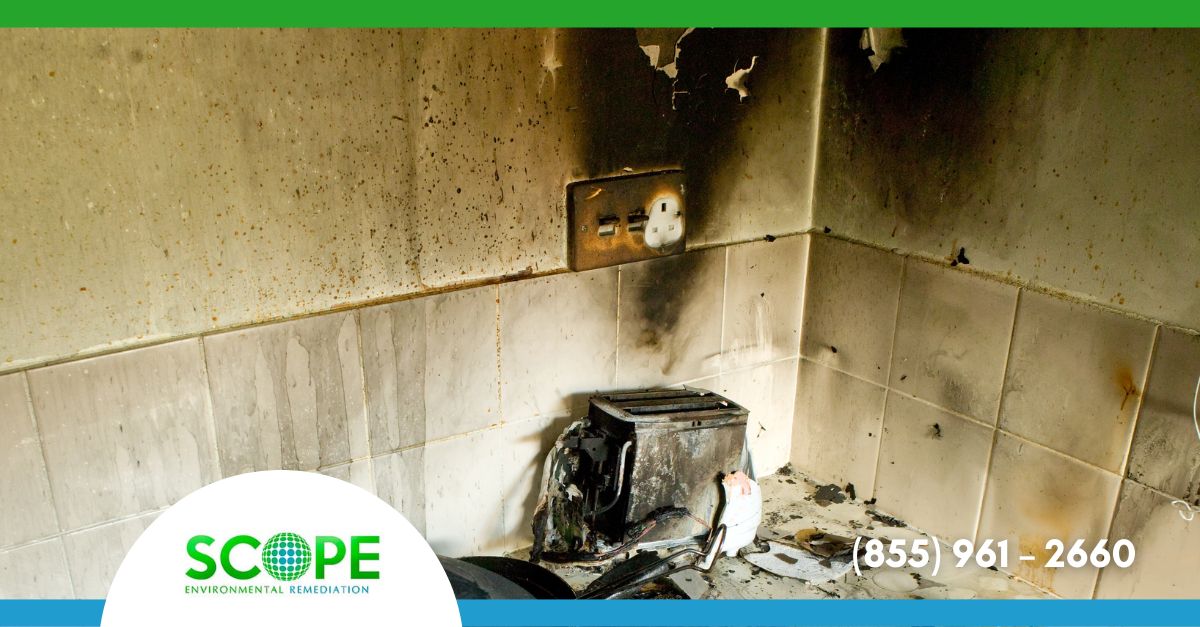
The most critical factor in deciding whether to remain in your home is the impact on human health. Smoke is not simply a nuisance odor. It is a complex mixture of toxic gases and microscopic particles generated by burning materials. Modern homes contain a vast amount of synthetic materials, plastics, and treated woods. When these materials burn, they release highly dangerous chemicals into the air.
Breathing in fine particulate matter can cause immediate respiratory distress. Short-term symptoms often include coughing, shortness of breath, irritated eyes, and a scratchy throat. Even if you cannot see the smoke in the air, microscopic soot particles settle onto surfaces and are easily disturbed by normal household activities. Once airborne again, these particles are inhaled deeply into the lungs.
Long-term exposure presents even greater risks. Persistent inhalation of smoke residue and volatile organic compounds (VOCs) can lead to chronic respiratory conditions, aggravated asthma, and cardiovascular issues. Vulnerable individuals face the highest risks. Infants, the elderly, pregnant women, and anyone with pre-existing heart or lung conditions should never remain in a home compromised by significant smoke damage.
The Case for Relocating: Why You Should Leave
For most fire-related incidents, relocating temporarily is the safest and most practical choice. The dangers often extend far beyond what is visible to the naked eye.
Pervasive Toxicity and Odors
Smoke odor is incredibly stubborn. It embeds itself into porous materials like drywall, carpeting, upholstery, and clothing. Standard household cleaning products simply mask the smell temporarily. The lingering odor is a clear indicator that toxic particles are still present in your living environment. Continuous exposure to these smells can cause persistent headaches, nausea, and sleep disruption.
HVAC Contamination
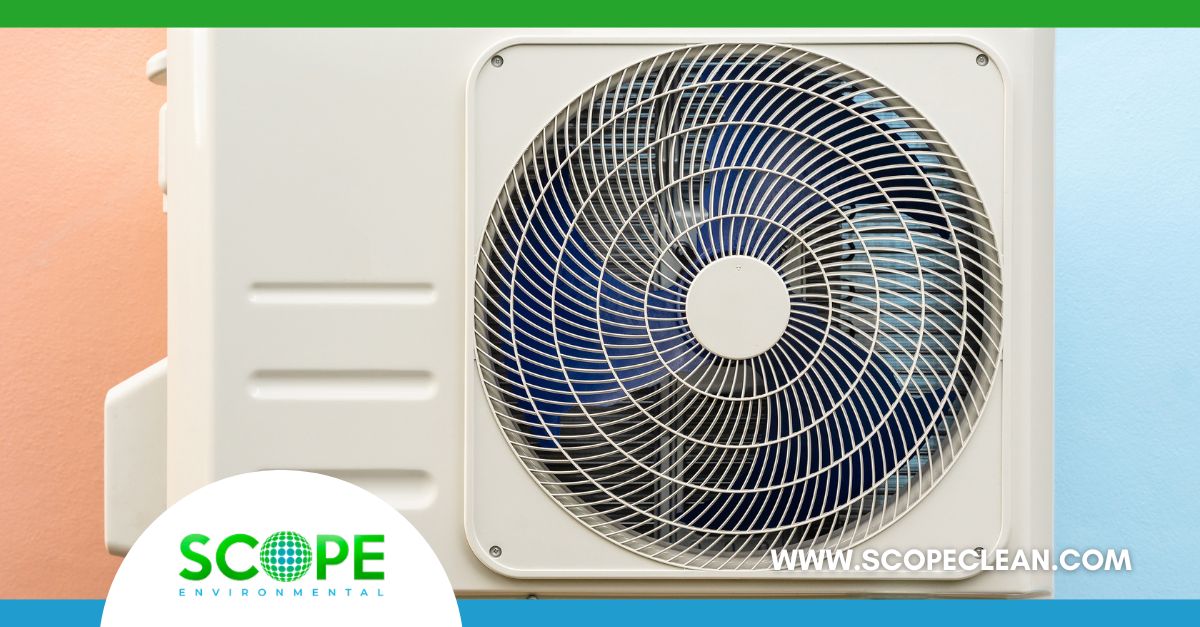
Your heating, ventilation, and air conditioning (HVAC) system can actively distribute danger throughout the property. During a fire, the HVAC system pulls smoke and soot into the ductwork. If you turn on your air conditioning or heating after the fire, the system will blow toxic particulate matter into every room of the house. Cleaning an HVAC system requires specialized equipment and professional expertise.
Unseen Structural Hazards
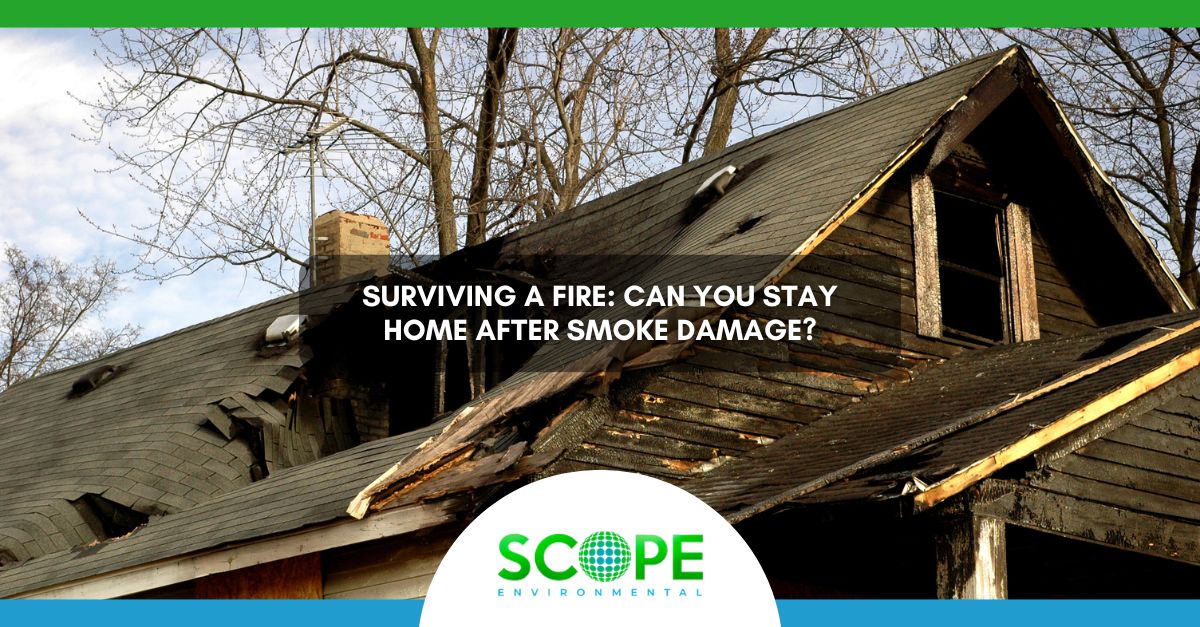
Fires weaken structural components. Floor joists, roofing materials, and load-bearing walls may be compromised even if they appear intact. Furthermore, water and chemicals used by firefighters can cause extensive secondary damage, leading to rapid mold growth within just a few days. Living in a compromised structure puts your family at physical risk from potential collapses and biological risk from toxic mold spores.
Is It Ever Safe to Stay?
While evacuation is generally recommended, there are isolated scenarios where staying in the home might be acceptable. This typically applies only to very minor incidents.
If you experienced a small, highly localized fire—such as a piece of burnt food in a microwave or a small stovetop flare-up—the smoke damage may be confined to a single room. In these instances, if the fire was extinguished immediately and the area was heavily ventilated, the rest of the house might remain safe.
However, this exception only applies if there is no lingering odor in the unaffected rooms, the HVAC system was not running during the incident, and nobody in the household suffers from respiratory vulnerabilities. Even in these minor cases, consulting a professional is highly recommended to ensure no hidden residue poses a threat.
When and How to Decide Your Next Steps
Making the final call to stay or leave should never rely on guesswork. Your senses cannot accurately detect microscopic toxins or hidden structural weaknesses.
The first step is to wait for official clearance. The fire department must declare the property structurally safe to enter. Once cleared, contact your insurance company immediately to report the damage and discuss temporary housing coverage. Many homeowners policies include “loss of use” coverage, which helps pay for hotel stays or rental homes while your property is uninhabitable.
The most crucial step is bringing in certified restoration experts to evaluate the property. A visual inspection by an untrained eye will miss the widespread dispersion of soot and chemical residue. Professionals utilize advanced testing equipment to measure indoor air quality and map out the exact spread of the damage.
Scope Environmental dba CBC Cleaning and Construction is a premier environmental restoration and cleaning contractor providing an unmatched service experience to property owners and managers in Southern California. Relying on an experienced team ensures that every inch of your property is thoroughly assessed, cleaned, and restored to a safe, livable condition. Expert contractors will create a comprehensive mitigation plan, addressing everything from odor removal to HVAC decontamination.
Taking the Right Action for Your Family’s Safety
A fire leaves behind a chaotic and stressful environment. While the desire to sleep in your own bed is completely understandable, prioritizing your health must come first. Smoke damage brings hidden toxins, lingering odors, and potential structural threats that make the property unsafe for normal occupation.
By understanding the health risks, recognizing the hidden dangers of soot, and relying on the expertise of professional restoration contractors, you can make informed decisions. Secure a safe temporary living arrangement, let the experts handle the heavy lifting, and look forward to returning to a home that is truly clean, fresh, and fully restored.