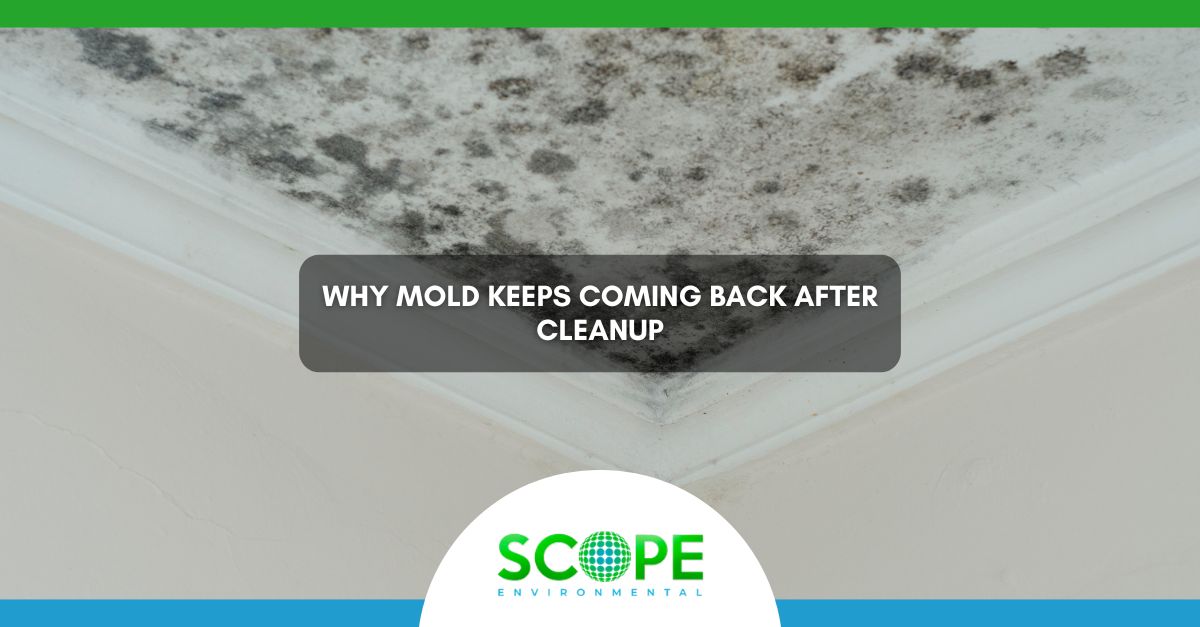
You spend hours scrubbing the walls, applying bleach, and wiping down every visible spore. The surface looks perfectly clean. Then, a few weeks later, those familiar dark spots reappear. Dealing with recurring mold is incredibly frustrating. It feels like a battle you cannot win.
Understanding why mold comes back after cleanup is the first step toward permanent removal. Surface cleaning only addresses the visible symptoms of a much larger problem. To eradicate recurring mold entirely, you need to look closer at your home’s environment, moisture levels, and the actual methods you use to clean.
This post covers the hidden reasons behind returning mold, the serious health concerns associated with it, and the steps you must take to protect your home.
The Real Reasons Mold Returns
Mold is a living organism that thrives in specific conditions. If you remove the visible growth but leave the environment unchanged, the mold will simply grow back. Here are the primary reasons your cleanup efforts might be falling short.
Hidden Moisture Sources
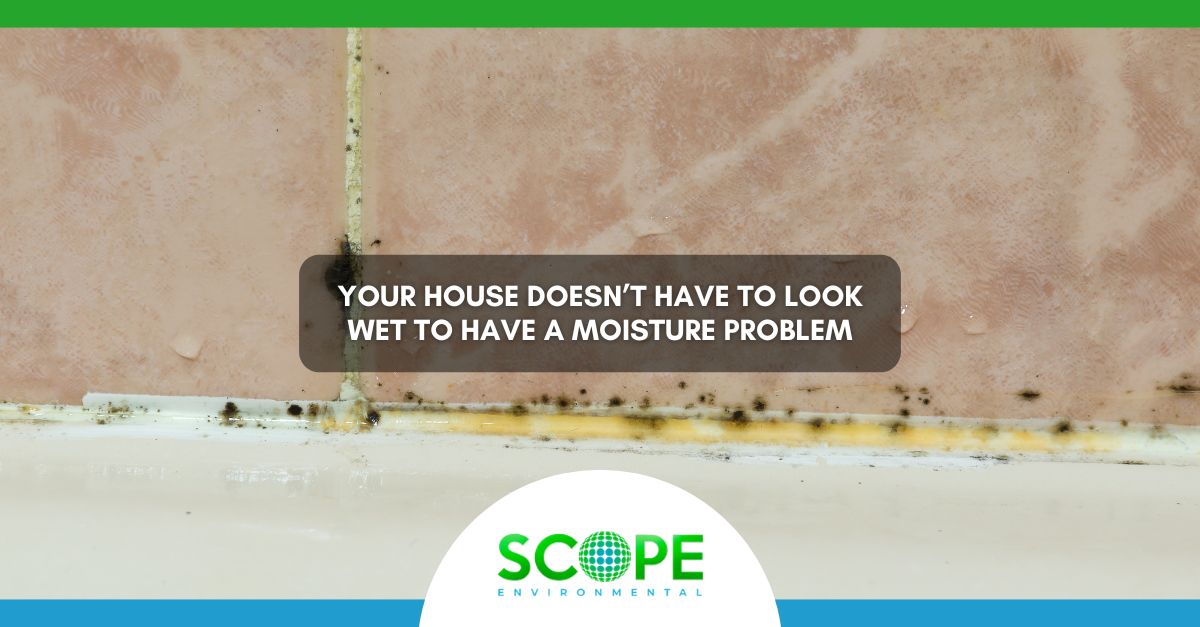
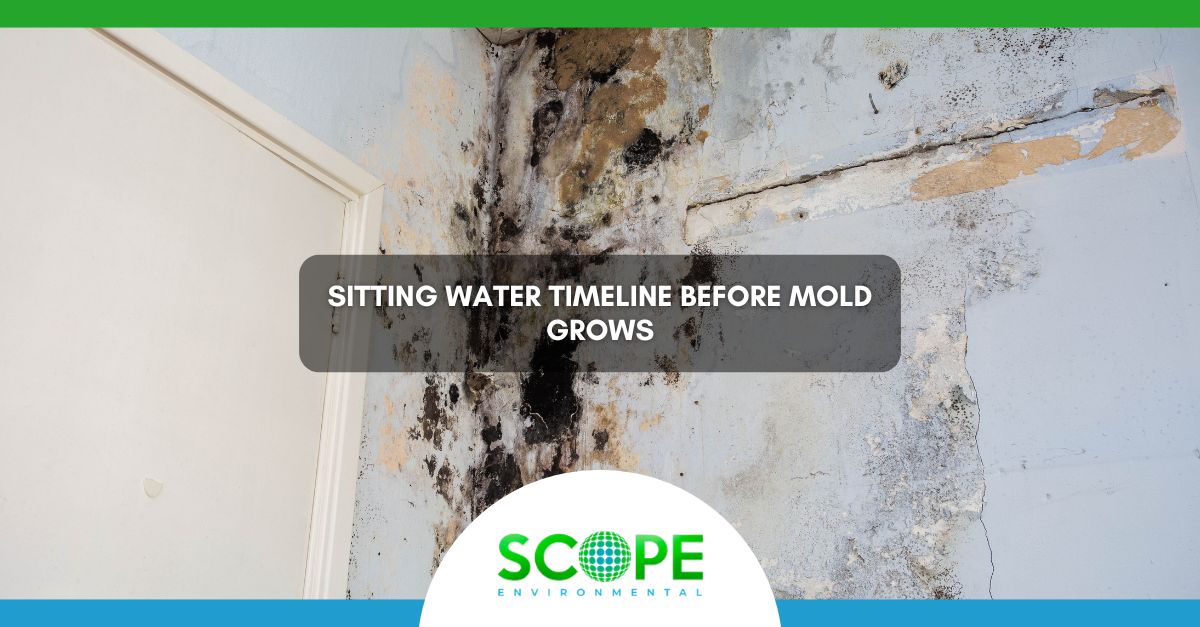
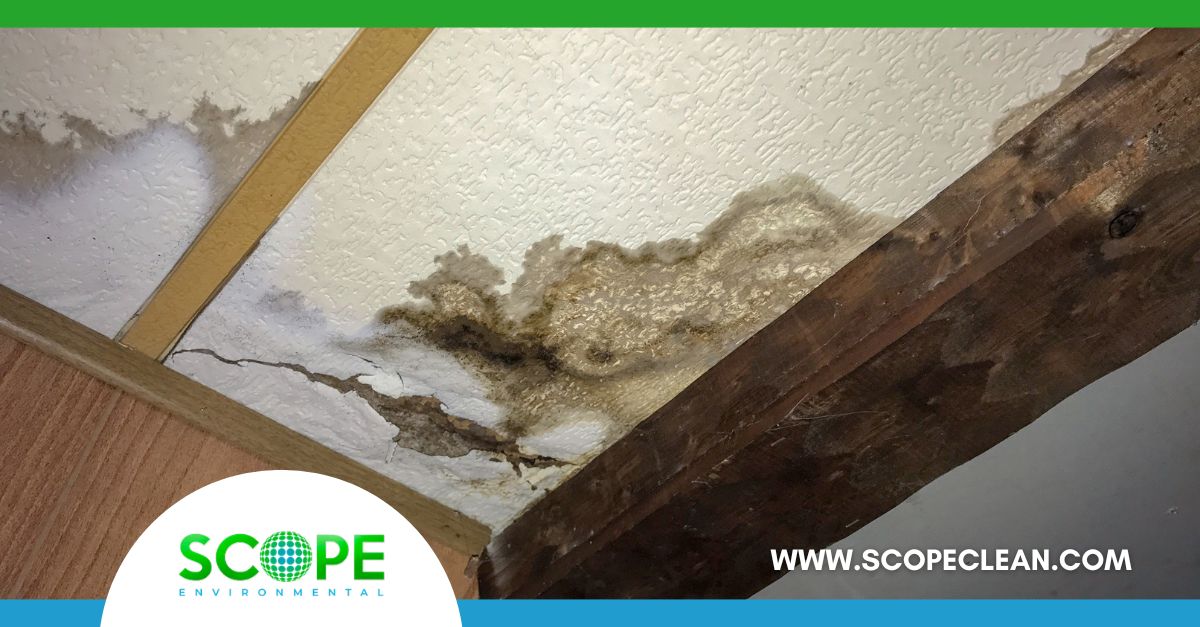
Moisture is the lifeblood of mold. Microscopic spores exist naturally in the air, but they only settle and multiply when they find a damp surface. Leaky pipes behind drywall, tiny cracks in the foundation, or a roof leak can create a constant supply of water. You might dry the surface of the wall, but the structural materials underneath remain soaked. As long as that hidden moisture exists, the mold has a perfect breeding ground.
Incomplete Removal Tactics
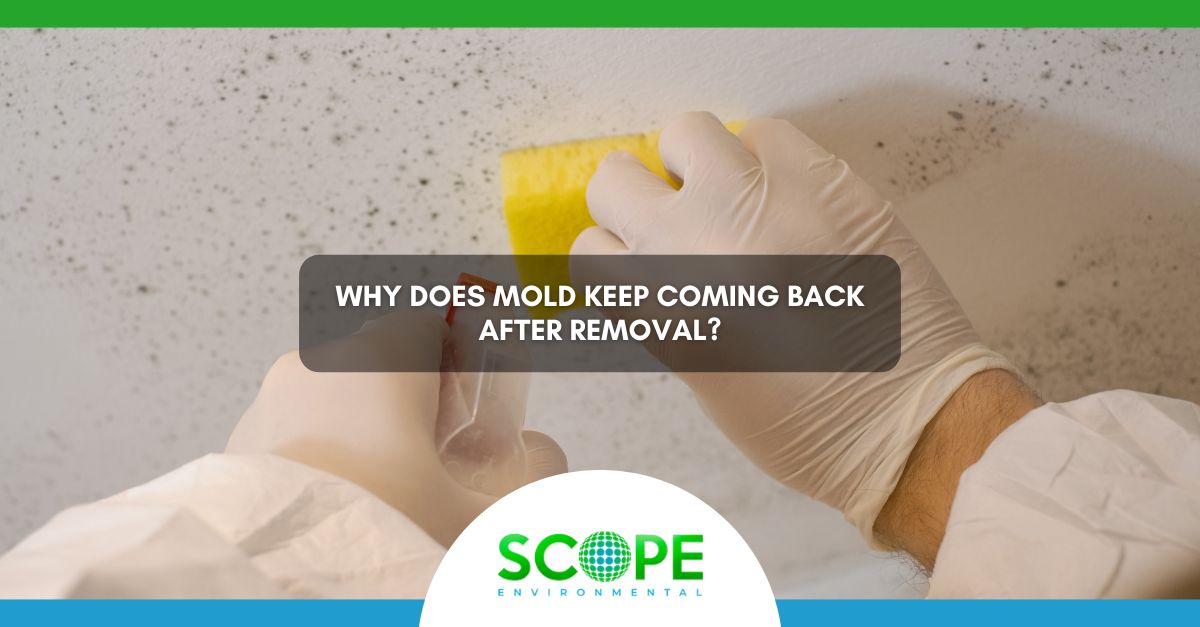
Many homeowners reach for bleach when they see mold. Bleach is excellent at removing the dark stain on your bathroom tiles, but it rarely kills the root structure of the mold on porous surfaces like wood or drywall. The water content in the bleach actually sinks into the material, feeding the roots you left behind. The visible part disappears momentarily, giving the illusion of success while the organism regathers strength beneath the surface.
Poor Ventilation and High Humidity
Bathrooms, basements, and kitchens are notorious for mold growth. These rooms generate significant moisture through showering, cooking, and washing. If your home lacks proper ventilation, that humid air becomes trapped. Condensation forms on windows, walls, and ceilings. When indoor humidity consistently hovers above 60 percent, mold spores have enough ambient moisture to settle and colonize.
Health Concerns With Recurring Mold
Living with persistent mold is a serious issue for your physical well-being. When mold actively grows, it releases microscopic spores and volatile organic compounds into the air you breathe.
Respiratory Issues and Allergies
The most immediate health concerns involve the respiratory system. People exposed to mold frequently report coughing, wheezing, and throat irritation. If you have asthma or pre-existing allergies, mold exposure can trigger severe attacks. You might notice your symptoms flare up when you spend time in specific rooms. Stuffy noses, red eyes, and skin rashes are all common reactions to a mold-infested environment.
Long-Term Exposure Risks
Certain types of mold produce mycotoxins. Prolonged exposure to these toxic substances can lead to more severe health complications. Individuals with compromised immune systems face a much higher risk of lung infections. Continuous exposure takes a toll on the body, making it essential to handle mold problems correctly the first time rather than living in a cycle of temporary cleanups.
How to Eliminate Mold for Good
Breaking the cycle of recurring mold requires a comprehensive approach. You must change the environment to make it inhospitable for fungal growth.
Fix the Root Cause of Moisture
Inspect your home thoroughly for hidden leaks. Check under sinks, around toilets, and near appliances that use water. Make sure your gutters are clean and direct rainwater away from your foundation. If you find a leak, repair it immediately. Dry the affected area completely using fans and dehumidifiers.
Upgrade Your Cleaning Methods
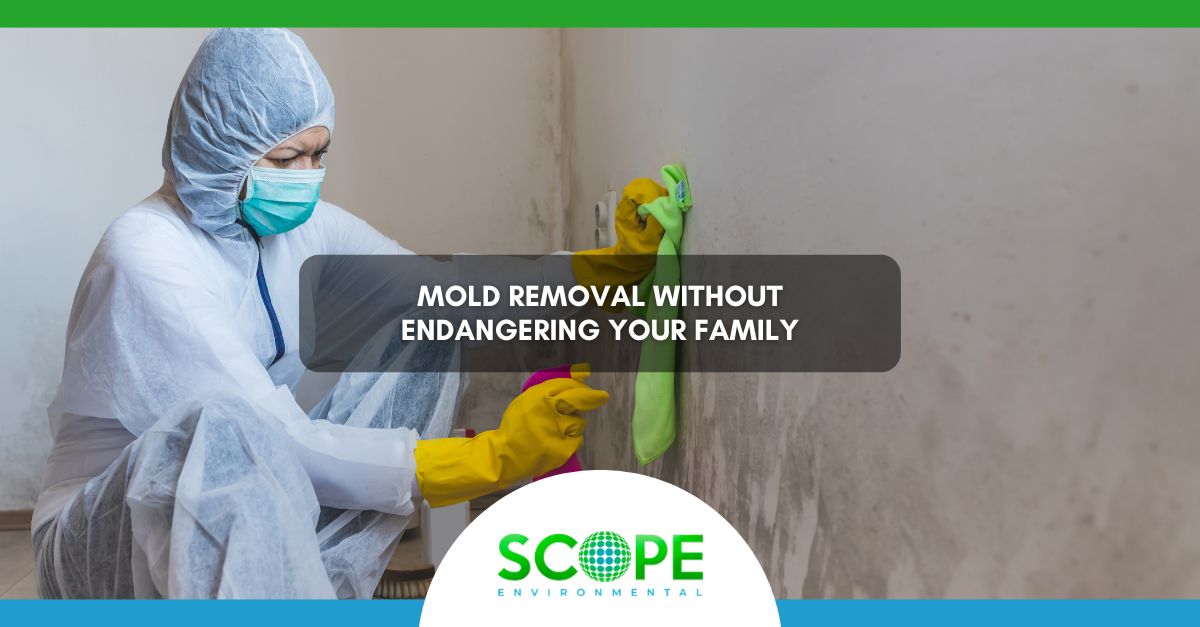
Stop using bleach on porous materials. Instead, use cleaning agents specifically formulated to kill mold roots, such as commercial antimicrobial sprays or solutions made with white vinegar and hydrogen peroxide. For heavily infested drywall or carpeting, cleaning is often impossible. You must cut out the affected materials and replace them entirely to stop the spread.
Manage Indoor Humidity
Invest in a high-quality dehumidifier for damp areas like the basement. Run exhaust fans in the bathroom during and after every shower. Ensure your clothes dryer vents directly to the outside. Keeping your indoor humidity below 50 percent is a highly effective way to prevent spores from taking hold.
Trust the Experts at Scope Environmental
Sometimes, a mold problem is too widespread or dangerous to tackle alone. When the infestation has reached the structural components of your home, professional intervention is necessary.
Our certified technicians undergo extensive training to handle even the most complex restoration and cleanup jobs. With Scope Environmental, you’re getting expert care backed by industry knowledge and experience. We use advanced moisture detection equipment to find hidden leaks and commercial-grade air scrubbers to remove spores from your environment. We do not just clean the surface; we eradicate the root cause so you can breathe easy.
Reclaiming Your Safe and Healthy Home
Mold does not have to be a permanent resident in your house. By understanding the critical role moisture plays and moving beyond simple surface cleaning, you can stop the cycle of regrowth. Fix those hidden leaks, control your indoor humidity, and throw away the bleach. Taking definitive action today ensures a clean, healthy living space for you and your family moving forward.