Our crew brings experience, fast response, and complete project oversight to help restore your space safely and efficiently. Beyond that, we understand how disruptive that can be. That’s just one reason why our approach centers on precision, safety, advanced equipment, and clear guidance from start to finish.
Perhaps paradoxically, in regions with warm temperatures and microclimates that shift throughout the year, mold growth can develop in hidden areas before anyone realizes what is happening.
Mold Remediation Process: Even More Important Than You Might Think
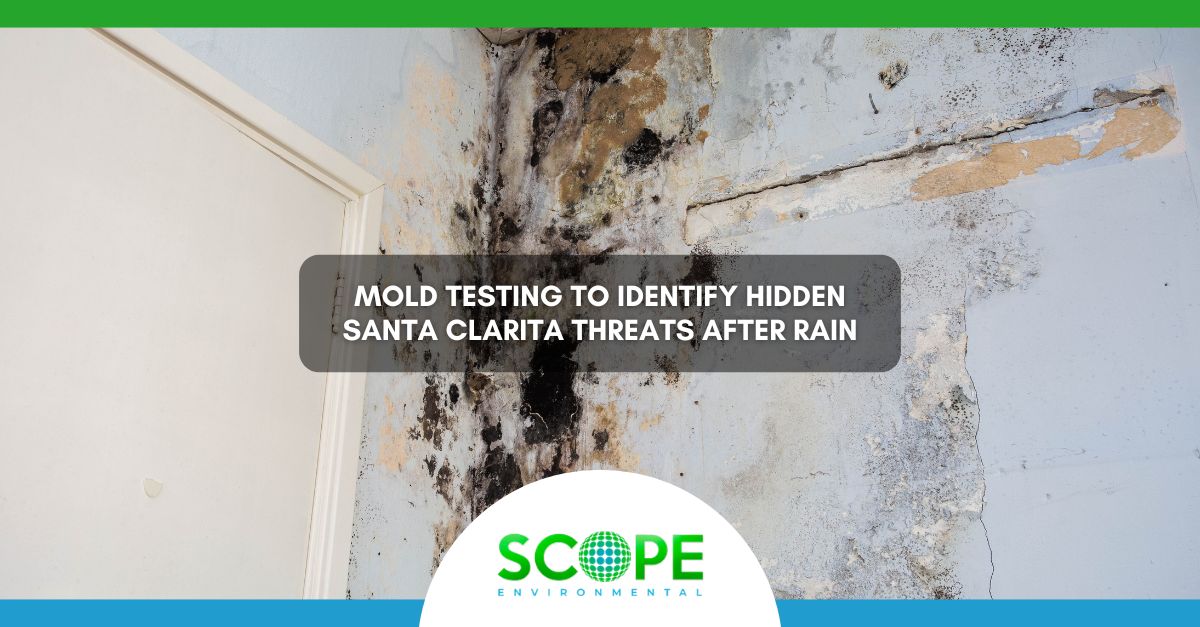
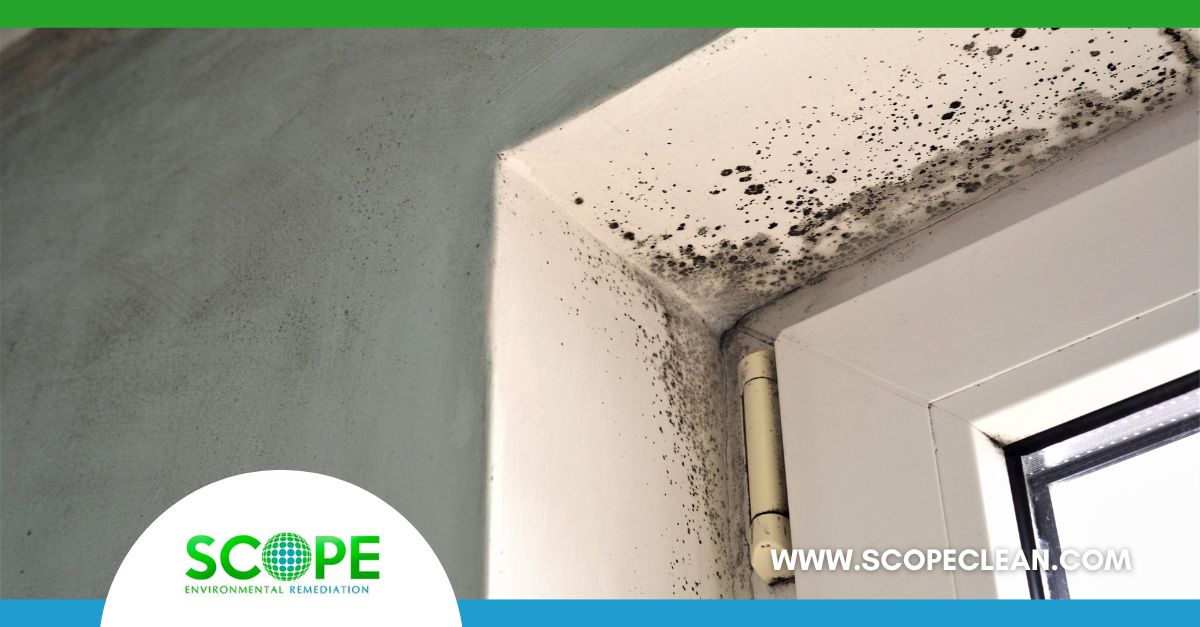
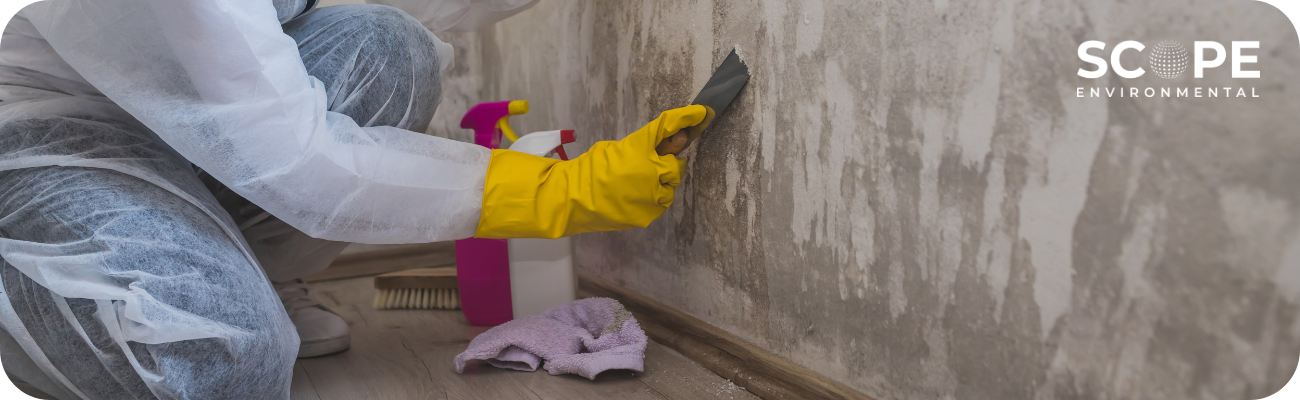
Mold thrives in damp, dark areas, often forming in spaces that are rarely inspected. Once moisture enters a structure, mold can begin developing within 24 to 48 hours. Mold, unfortunately, as the CDC shows, can lead to a series of both structural problems for your home and health problems for your family. That’s why our crew prioritizes rapid response.
Here’s what mold growth typically needs in order to thrive:
- Moisture from leaks, floods, or humidity
- Organic material such as drywall, wood framing, carpet, or insulation
- Lack of ventilation
- Time — even short periods can allow spores to multiply
Our remediation process targets each of these conditions to stop mold at the source and prevent future recurrences.
The Importance of Proper Santa Clarita Mold Remediation
Before remediation begins, we assess the property with a detailed visual inspection and moisture mapping. Depending on the situation, we may recommend mold testing to identify the types of spores present and determine the full scope of contamination.
During the assessment phase, we evaluate:
- Visible mold growth
- Areas with elevated moisture
- Drywall, flooring, insulation, and framing vulnerabilities
- Crawl spaces, attics, and basements
- Odors that may indicate microbial activity
- Prior water intrusion or plumbing events
Testing and inspection guide the remediation plan so the work addresses not only the visible growth but the underlying source.
Structural Drying in Santa Clarita and Beyond
Structural drying is one of the most important phases of mold remediation in Santa Clarita or anywhere else. This is especially true since hidden moisture can often be the root cause of ongoing mold problems. Drying requires skilled technicians and industrial-grade tools designed for deep extraction.
Our structural drying methods include:
- High-capacity dehumidification to remove moisture from the air
- Targeted air movement to speed evaporation
- Moisture meters and thermal imaging to confirm drying progress
- Removal of saturated materials when necessary
- Drying chambers to isolate affected areas
Because Santa Clarita experiences cycles of heat, cool nights, and Santa Ana wind conditions, moisture can behave unpredictably inside a home. Materials that appear dry may hold moisture deep within the structure. Our team focuses on ensuring every area is fully dried, including:
- Wall cavities
- Subfloors
- Joists
- Attic and crawl-space components
- Interior framing
If drying is incomplete, mold can return. That’s why our approach involves monitoring, documentation, and verification at each stage.
Setting Up Containment and Air Filtration
Containment is crucial in stopping mold spores from spreading throughout the property during removal. Our team establishes secure barriers with professional-grade materials and negative air pressure systems.
Containment typically includes:
- Polyethylene barriers to isolate affected rooms
- Zippered access points for controlled entry
- HEPA air scrubbers to filter airborne spores
- Negative air machines to draw contaminated air outward
- Protection for HVAC systems to prevent cross-contamination
These steps protect unaffected areas and maintain safe indoor air throughout the project.
Safe and Thorough Removal of Mold-Affected Materials
Once containment is secure, we begin removing mold-damaged materials. Not all items need removal—many materials can be cleaned and restored depending on their condition—but anything that cannot be salvaged is removed with extreme care.
Removal may include:
- Damaged drywall
- Saturated insulation
- Contaminated carpet or padding
- Severely affected wood
- Upholstery or structural items impacted beyond repair
Our team follows industry protocols to bag, seal, and transport materials safely so that spores do not escape during the process.
Cleaning, HEPA Vacuuming, and Antimicrobial Application
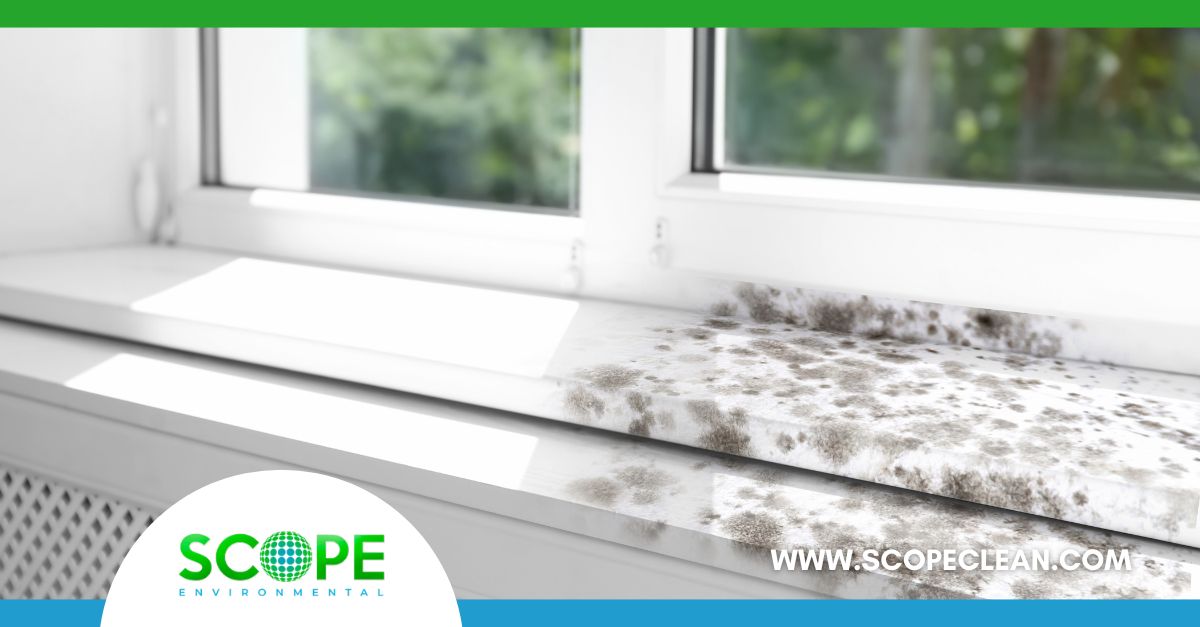
After removal, remaining surfaces are thoroughly cleaned to eliminate any residual mold activity. We rely on a combination of HEPA vacuuming, physical agitation, and antimicrobial application.
This step may involve:
- HEPA vacuuming all hard surfaces
- Scrubbing and wiping affected areas
- Applying antimicrobials to inhibit future growth
- Inspecting previously hidden areas after removal
- Checking for odors or signs of lingering moisture
These methods ensure that the environment is safe and that spore counts are reduced to normal levels.
Restoring the Property After Santa Clarita Mold Remediation
Our goal is always to return the property to a clean and safe condition as quickly as possible. While remediation focuses on removal and cleanup, restoration is about rebuilding what was damaged.
Depending on the severity of the mold impact, restoration can include:
- Replacing drywall
- Installing new insulation
- Repairing framing
- Painting and refinishing
- Flooring replacement
We ensure each repair meets the same quality standards as the remediation work so the property is structurally sound and comfortable once again.
Addressing the Impact of Water and Smoke: Comprehensive Restoration Support
Mold often appears after water intrusion, making water damage restoration an essential component of preventing microbial issues. Our team specializes in identifying water sources and addressing the effects quickly to stop mold before it starts.
Water-related services may involve:
- Extracting standing water
- Drying saturated materials
- Evaluating plumbing failures
- Inspecting hidden moisture zones
- Preventing further structural degradation
Similarly, property owners dealing with fire-related challenges may need smoke damage restoration, which can involve cleaning soot, removing odors, and addressing contaminated surfaces. Smoke can penetrate materials deeply, especially drywall, insulation, and wood structures. Ensuring those areas are fully treated reduces long-term health risks and property damage.
Supporting You Through the Insurance Process
We know how stressful property damage can be, especially when homeowners are navigating insurance claims. Our team offers insurance help to guide clients through documentation, communication, and reporting.
This support includes:
- Detailed estimates
- Moisture and damage reports
- Clear photos documenting each step
- Communication with adjusters
- Job progress updates
- Assistance with understanding coverage
Our role is to make the process easier and provide clarity during a challenging time.
Preventing Future Mold Problems
Once Santa Clarita mold remediation is complete, prevention becomes just as important as the cleanup. We help clients maintain a healthier property by identifying vulnerabilities and offering solutions tailored to their type of structure, climate, and risk factors.
Recommendations often include:
- Repairing leaking pipes or fixtures promptly
- Using adequate ventilation in bathrooms and kitchens
- Managing humidity levels
- Scheduling regular inspections after prior water incidents
- Ensuring proper grading around the foundation
- Monitoring indoor areas prone to dampness
Even in drier regions, moisture can linger inside walls, especially after storms, appliance leaks, or HVAC issues. Prevention keeps those situations from becoming bigger problems.
Structural Drying Does the Job
Structural drying plays a major role in stopping mold from spreading and protecting the integrity of a property. Without complete drying, even small moisture pockets can allow mold to return.
Effective drying leads to:
- Reduced microbial activity
- Stronger building materials
- Improved indoor air quality
- Lower risk of recurring outbreaks
- Faster restoration timelines
When clients contact us for mold remediation in Santa Clarita, many are surprised at how much moisture is found behind walls. High-quality drying is the foundation of a successful remediation project.
Dedicated Mold Remediation Across Los Angeles and Ventura Counties
Our team understands how stressful mold can be, and we work to reduce that anxiety by offering transparent communication, proven remediation techniques, and a steady focus on safety. Whether the issue stems from hidden leaks, storm damage, plumbing failures, or previous water events, our technicians bring the training and experience needed to restore a property with care.
What clients appreciate about our approach:
- Fast response
- Advanced equipment
- Clear communication
- Careful containment
- Thorough cleaning
- Reliable drying
- Full restoration support
Our services are built to protect your home or business and to ensure mold doesn’t return after remediation.
Your Local Partner for Mold Remediation in Santa Clarita
Whether you’re dealing with a recent water event or noticing signs of mold developing in hidden areas, our team is here to help. When you need Santa Clarita mold remediation, we bring a complete, well-structured process that addresses both the contamination and the causes behind it. Structural drying, careful removal, professional cleaning, and detailed restoration all work together to return your property to a safe condition.